

ICTD 2026 - Stronger Together: Advanced Therapy Clinical Trials Without Borders Recap
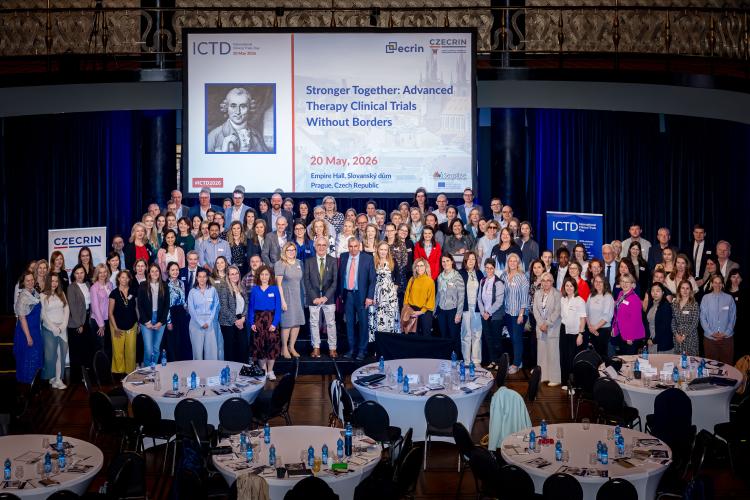
ECRIN and CZECRIN organised International Clinical Trial Day (ICTD) 2026 in Prague (Czech Republic).
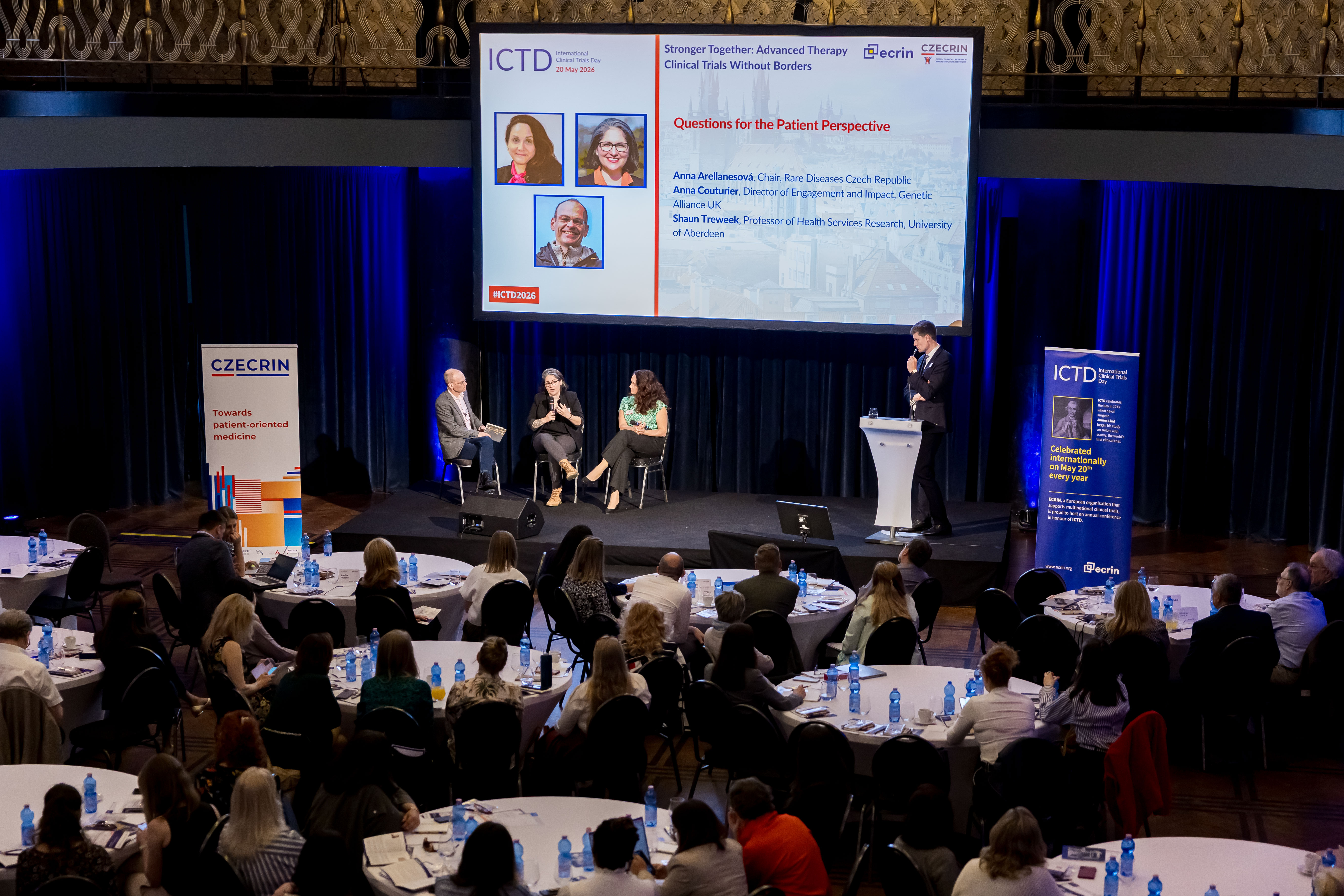
ICTD 2026 was a hybrid event which focused on progressing advanced therapy clinical trial research across borders, and was held at the Empire Hall, a historic building in the centre of Prague. Onsite, there was a full house of 160 participants. Online, 341 participants from the European and global international clinical research community joined us for the online broadcast.
It was fascinating to see that the event managed to reach wide-spanning corners of the globe, including Argentina, Brazil, Canada, Ghana, Japan and Kazakhstan; to name a few outside of Europe!
Throughout the day, a strong message resounded from all speakers about how essential collaboration between academia, healthcare systems, regulators and patient communities is in order to ensure Europe remains competitive in advanced therapy research.
PART 1: Setting the Scene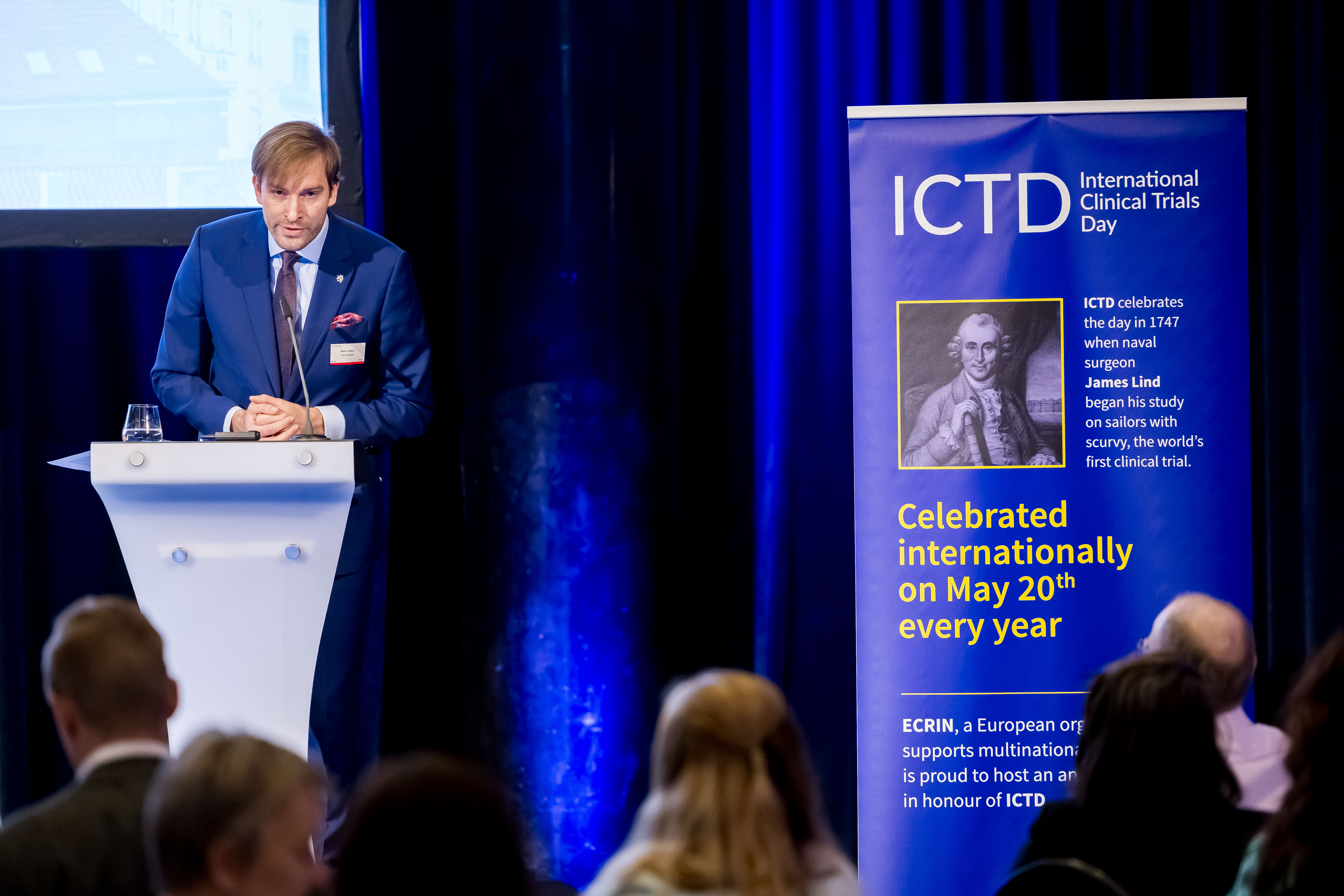
Welcome to ICTD 2026
- Adam Vojtěch - Minister, Ministry of Health, Czech Republic
- Dr. Marek Vyšinka, Ph.D., - Head of the Research Infrastructures Department, Ministry of Education, Czech Republic
- Jacques Demotes - Director General, ECRIN
International Clinical Trial Day 2026 was officially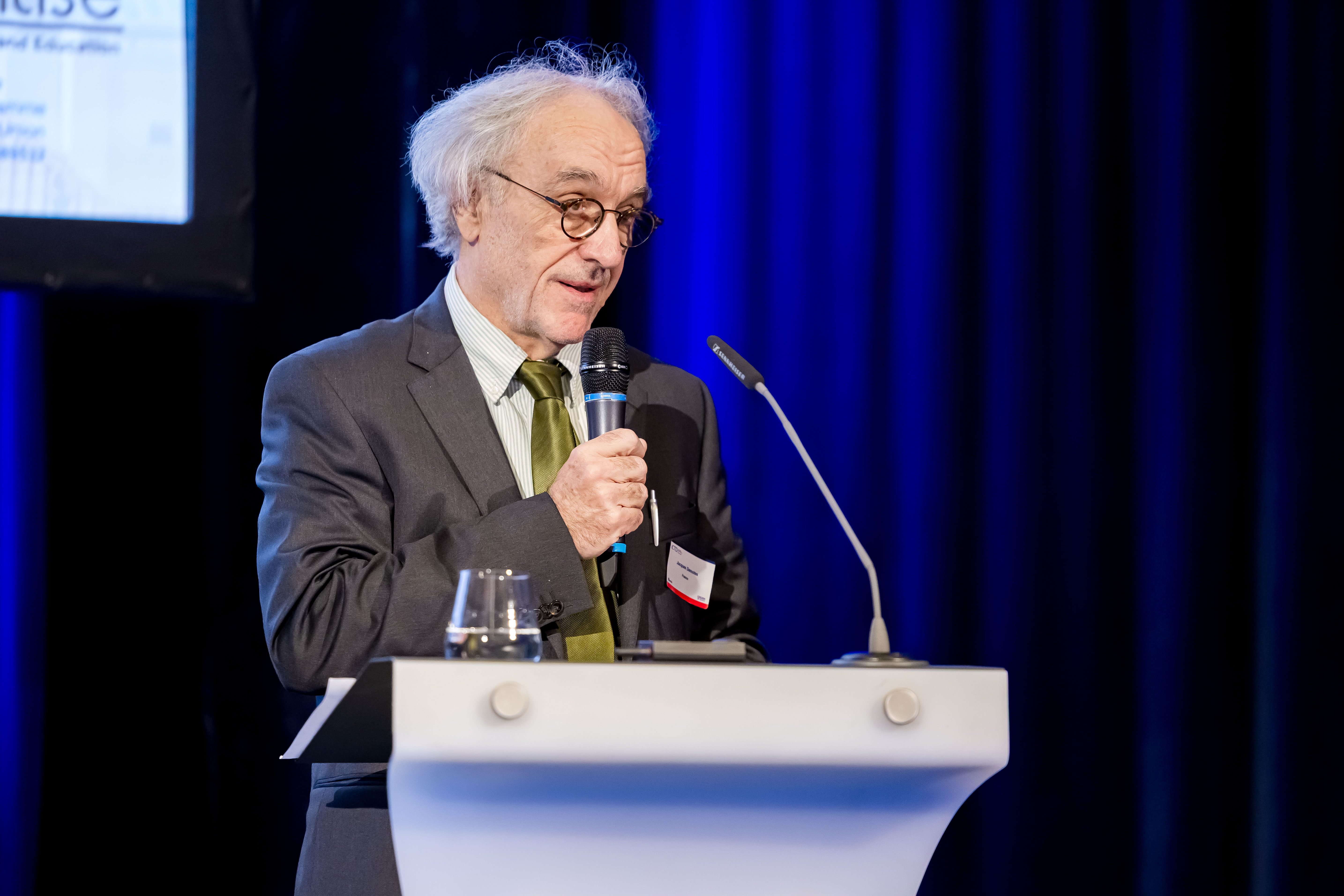 opened with remarks from Adam, Marek and Jacques, who welcomed delegates to Prague and acknowledged the growing role of multinational clinical research in improving patient care and accelerating innovation. Jacques reflected on the last time ICTD was held in Prague, 10 years ago.
Keynote: Key cross-cutting challenges in ATMP clinical trials
Gonzalo Calvo, Senior Consultant and Head of the Clinical Pharmacology Department, Hospital Clinic of Barcelona 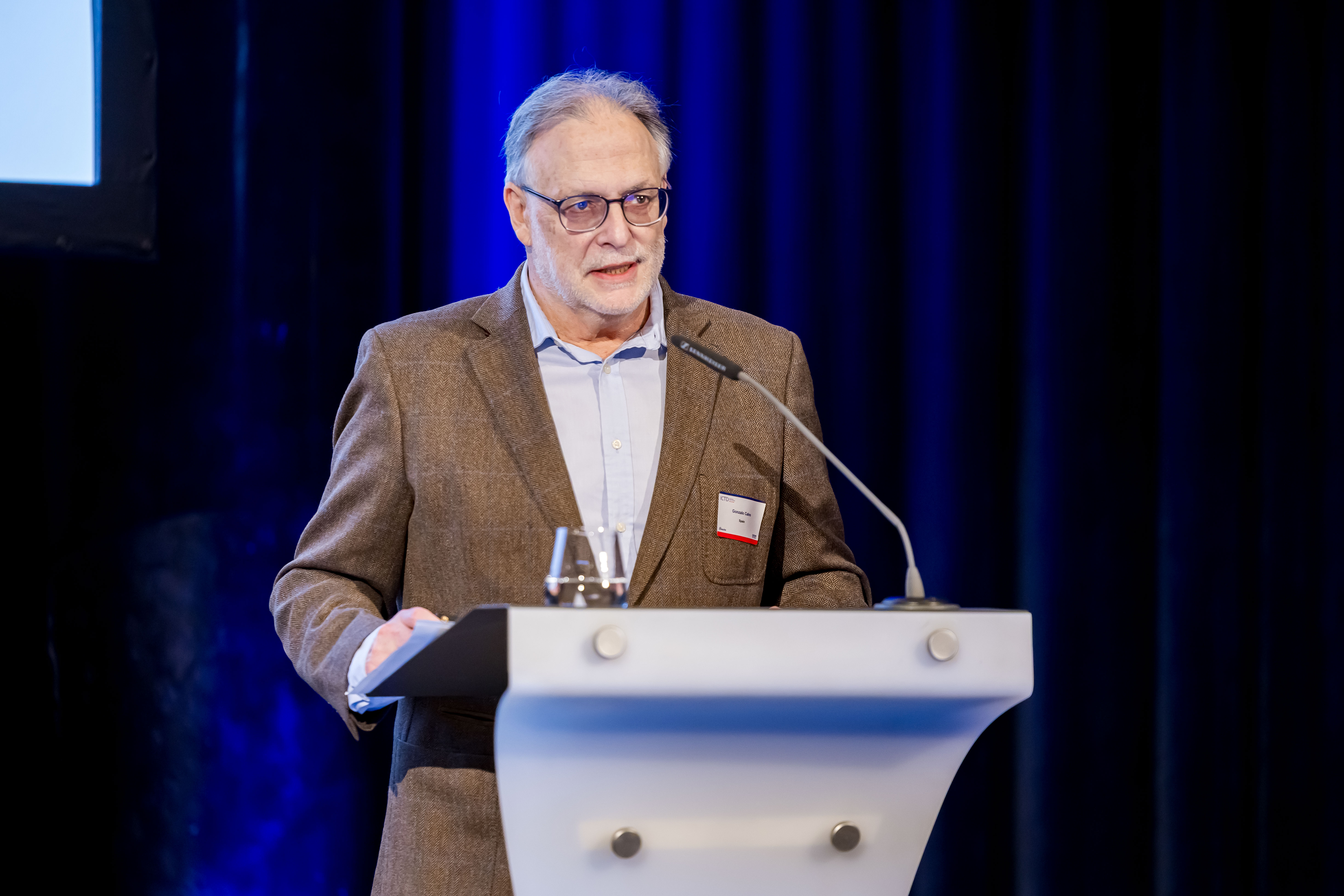
Gonzalo set the scene for the day by beginning with the major challenges facing advanced therapy medicinal product (ATMP) clinical trials across Europe. His presentation highlighted the growing gap between scientific innovation and patient access. Despite rapid progress in gene and cell therapies, manufacturing limitations, funding constraints, and fragmented regulatory systems continue to restrict access to treatment.
Gonzalo emphasised the essential role of academic institutions in developing innovative therapies, particularly for rare diseases and unmet medical needs, and how academic researchers face significant difficulties when expanding therapies into multinational clinical trials.
The final objective is to get access wherever it is needed.
Biomarker driven, adaptive treatment strategies for high risk paediatric tumours
- Jaroslav Štěrba, Professor of Oncology and Pediatrics, Masaryk University
- Regina Demlová, Director of CREATIC CoE, Head of Network Committee ECRIN-ERIC
Jaroslav explored emerging biomarker-driven approaches for children and young patients with high-risk or relapsed cancers. This joint session focused on the growing role of precision medicine in paediatric oncology, where adaptive treatment strategies are increasingly used to tailor therapies according to tumour biology and individual patient response.
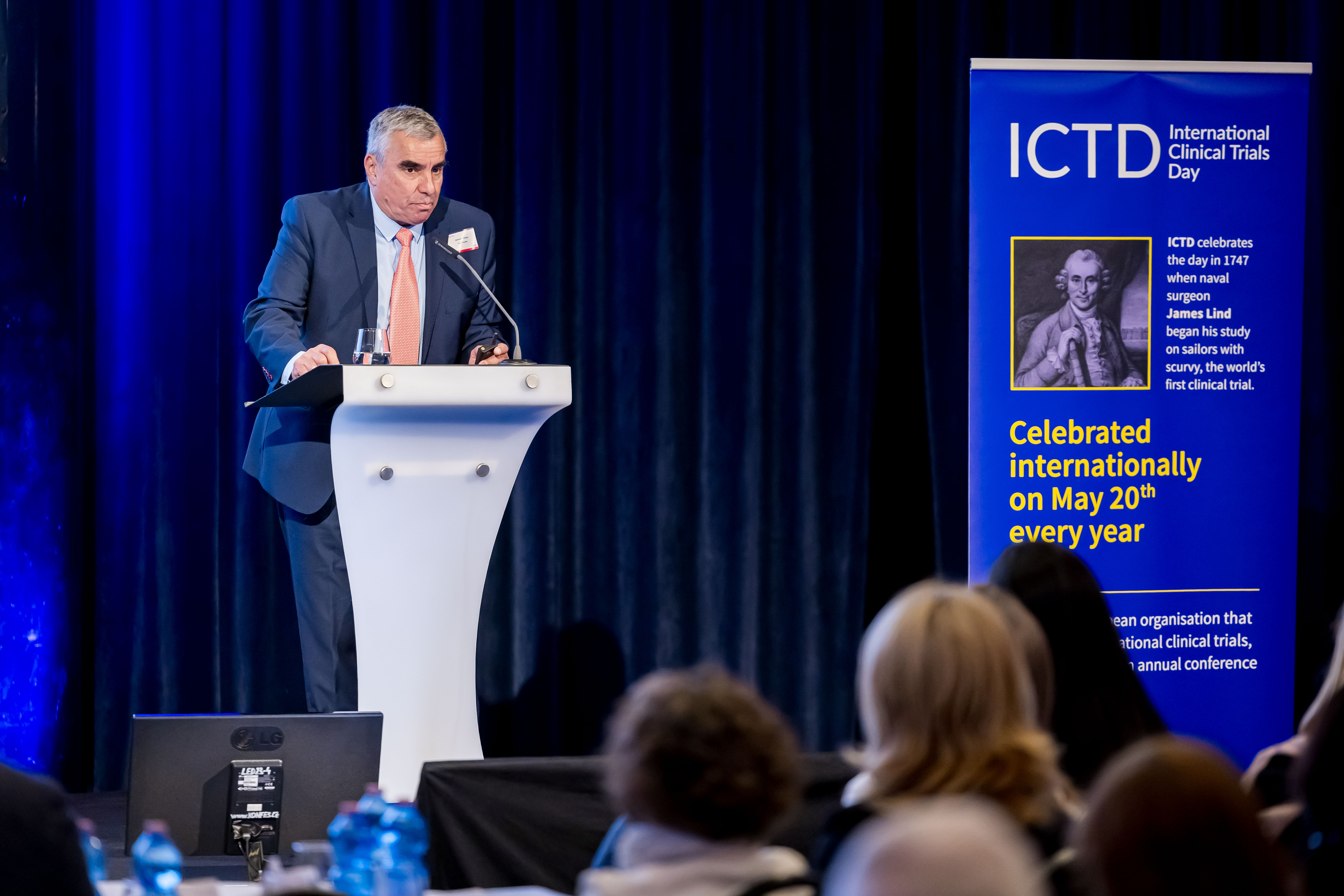
Jaroslav 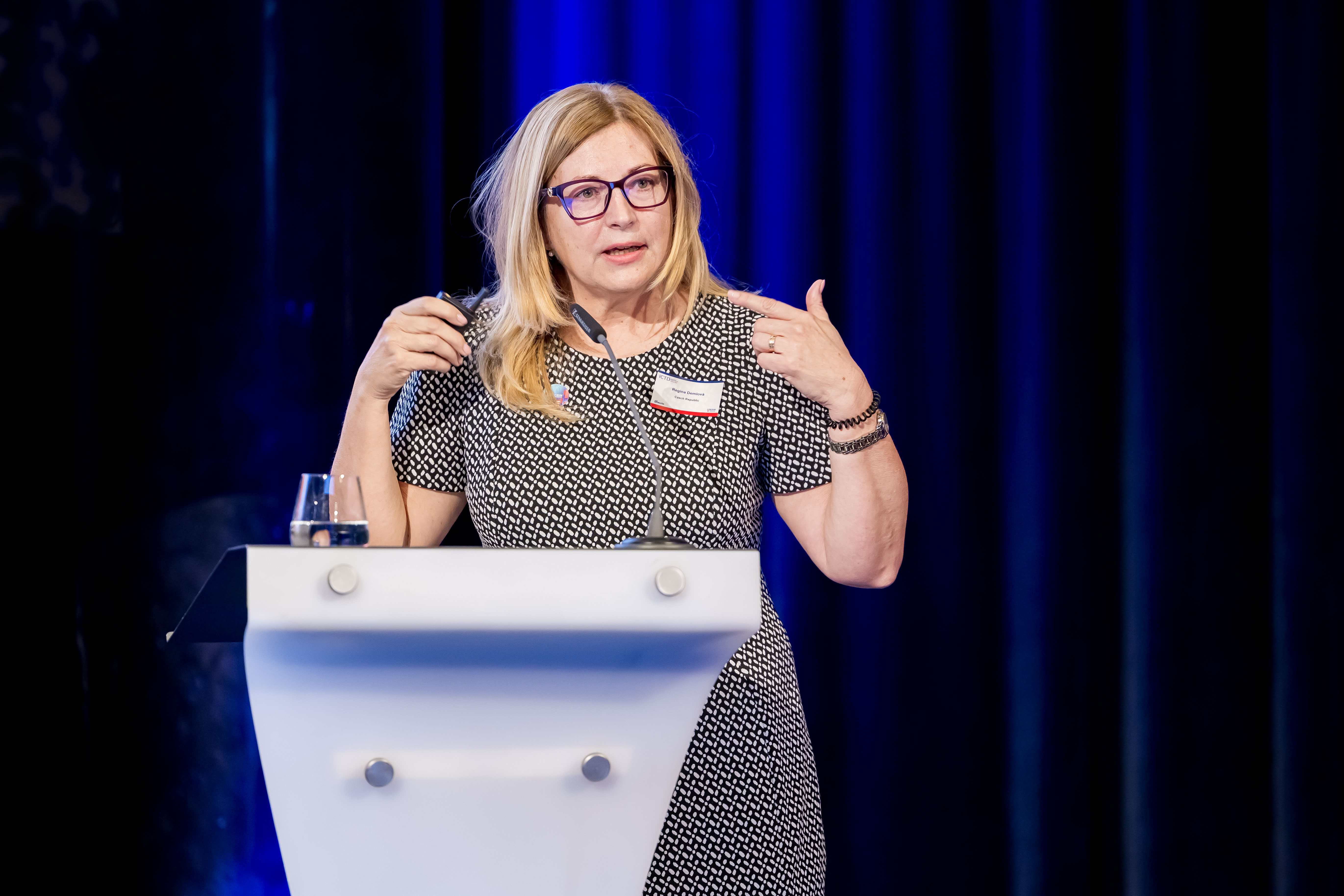 highlighted both the progress and the complexity of paediatric cancer research in Europe. While survival rates have improved significantly through international collaboration, high-risk and relapsed tumours continue to present major clinical challenges.
Regina emphasised the importance of multinational research networks, specialised reference centres, and biomarker-driven clinical trials in accelerating access to innovative therapies for children with limited treatment options. Both speakers reinforced the need for closer collaboration between clinicians, researchers, regulators, and research infrastructures to support more personalised and adaptive approaches in paediatric oncology across Europe.
 Watch Jaroslav and Regina on replay
PART 2: STAKEHOLDER PERSPECTIVES
Stakeholder Perspective: Patients
Barriers encountered by patients
Anna Arellanesová, Chair of Rare Diseases Czech Republic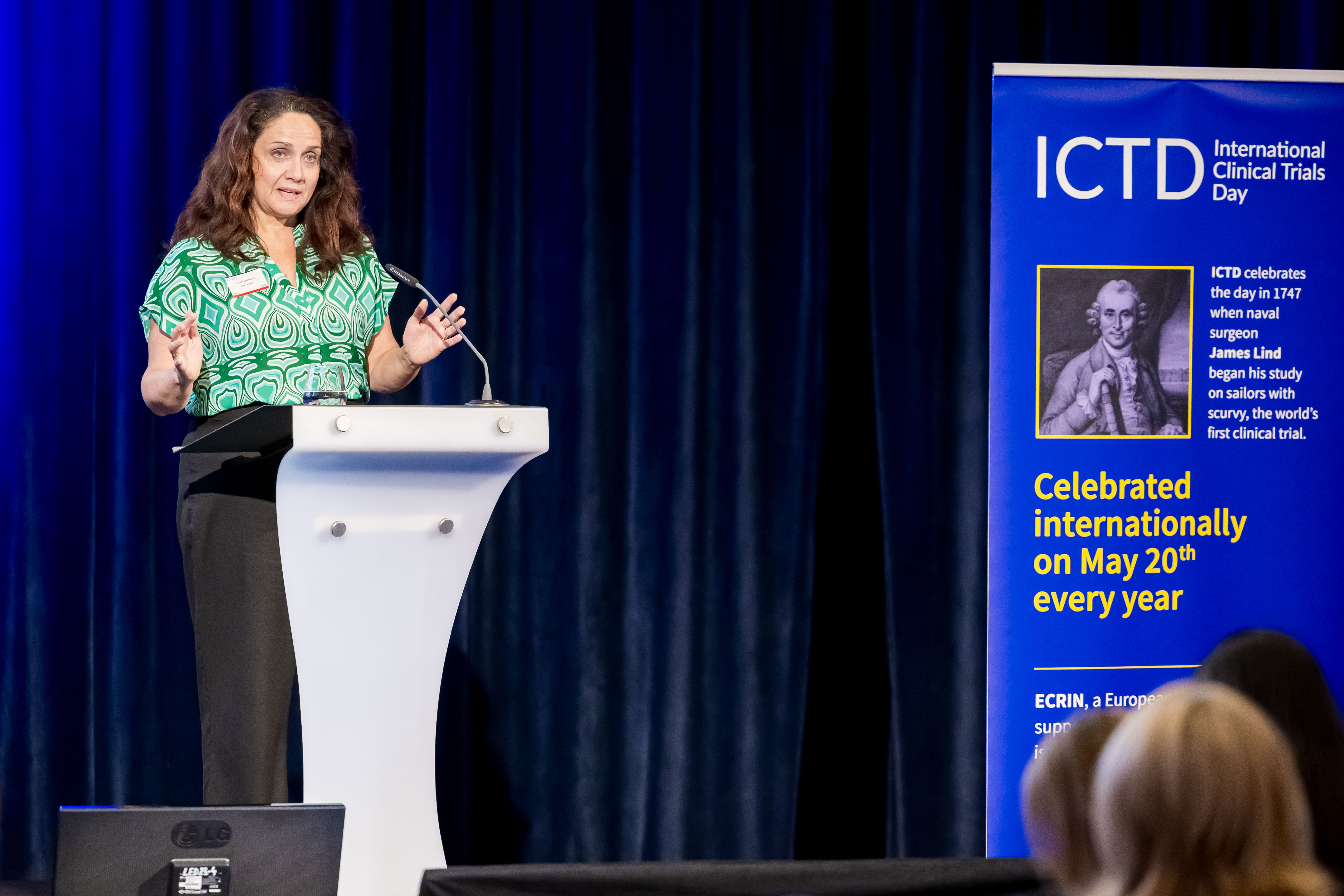
Anna begun the patient perspective section by sharing perspectives on the challenges experienced by people living with rare diseases, using concrete examples. She demonstrated how patients struggle with efforts to be part of trials now and what steps need to be taken to enable participation across borders.Her presentation highlighted difficulties in accessing trustworthy information, navigating cross-border access, and identifying suitable clinical trials.
Bitesize talk: EuroGCT - building a shared understanding of gene and cell therapies in a changing information landscape
Anna Couturier, Director of Engagement and Impact, Genetic Alliance UK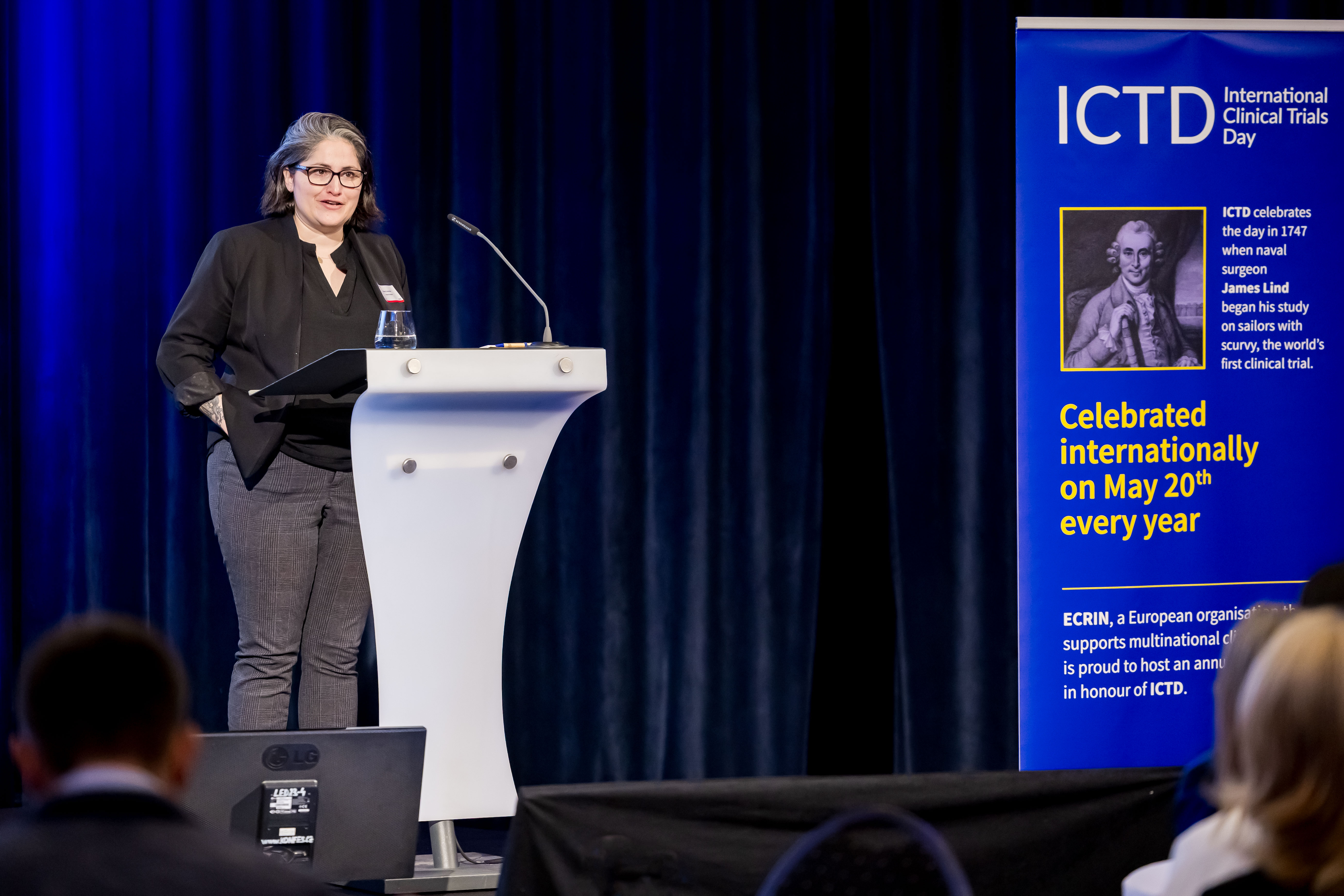
Anna presented EuroGCT’s work to improve public understanding of gene and cell therapies in an increasingly complex information landscape. Her session focused on the importance of clear, accessible, and trustworthy communication for patients navigating advanced therapies and clinical research opportunities. Anna emphasised the need for collaboration to support informed decision-making. Her engaging presentation reinforced the role of patient-centred communication in improving accessibility, trust, and engagement in advanced therapy clinical trials across Europe.
The success of advanced therapy is not going to be determined by science or funding alone, it depends on whether patients, clinicians, regulators and researchers can work from a shared base of understanding.
Bitesize talk: Amplifying patient voices: inclusion and impact in clinical trial design
Shaun Treweek, Professor of Health Services Research, University of Aberdeen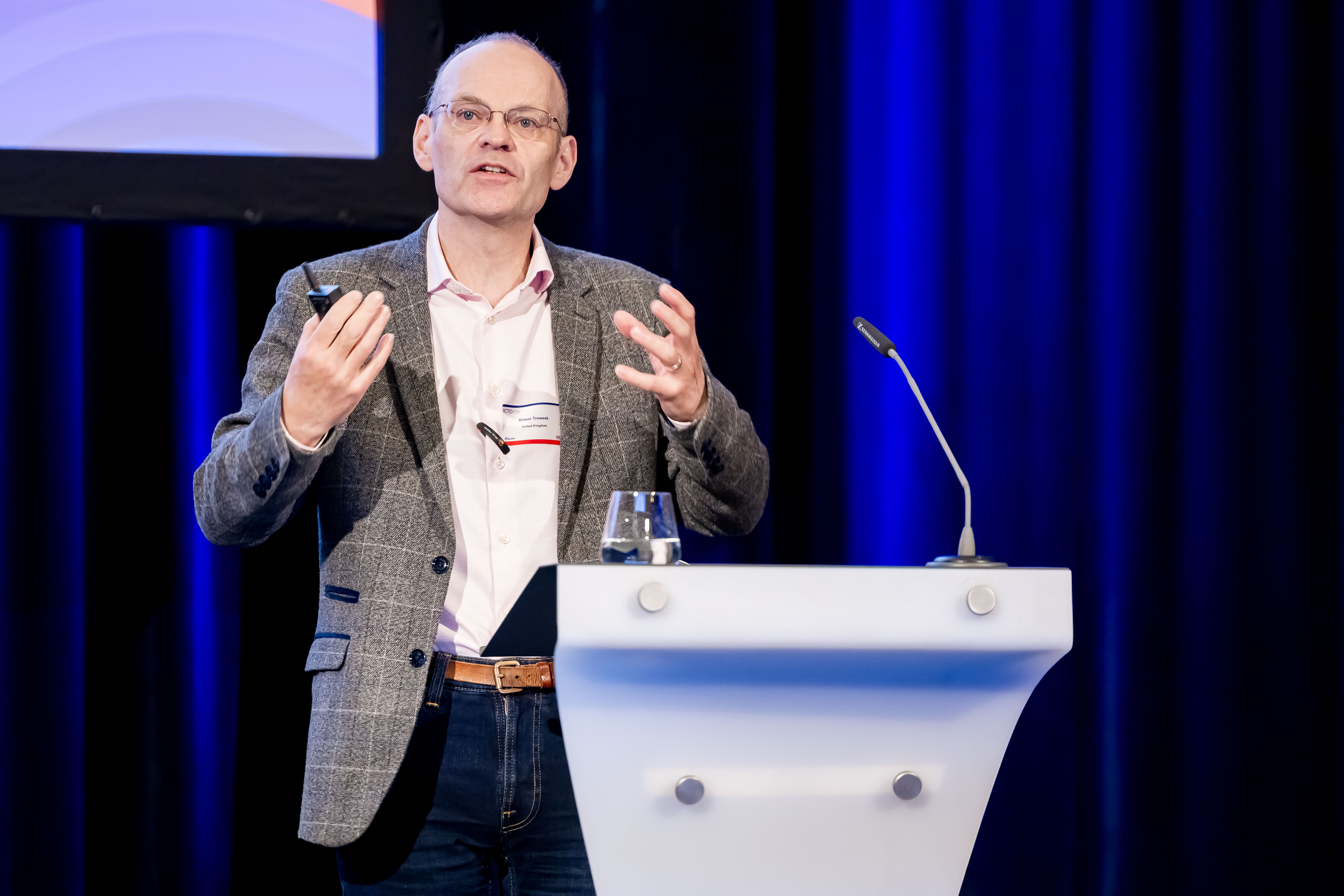
Shaun explored the importance of patient involvement in shaping clinical trial design and delivery. He highlighted how meaningful patient engagement can improve inclusivity, strengthen recruitment and retention, and ensure that clinical research better reflects patient needs and experiences. His session reinforced a key message of ICTD 2026: patient-centred collaboration is essential to building more accessible, inclusive, and effective multinational clinical trials.
Watch the Patient Perspective Q&A on replay
Stakeholder Perspective: Regulatory & HTA
The past, present and future of ATMPs from a regulatory perspective
Eva Hrušková Reinová, Head of Clinical Trials of Pharmaceuticals Unit, State Institute for Drug Control, Czech Republic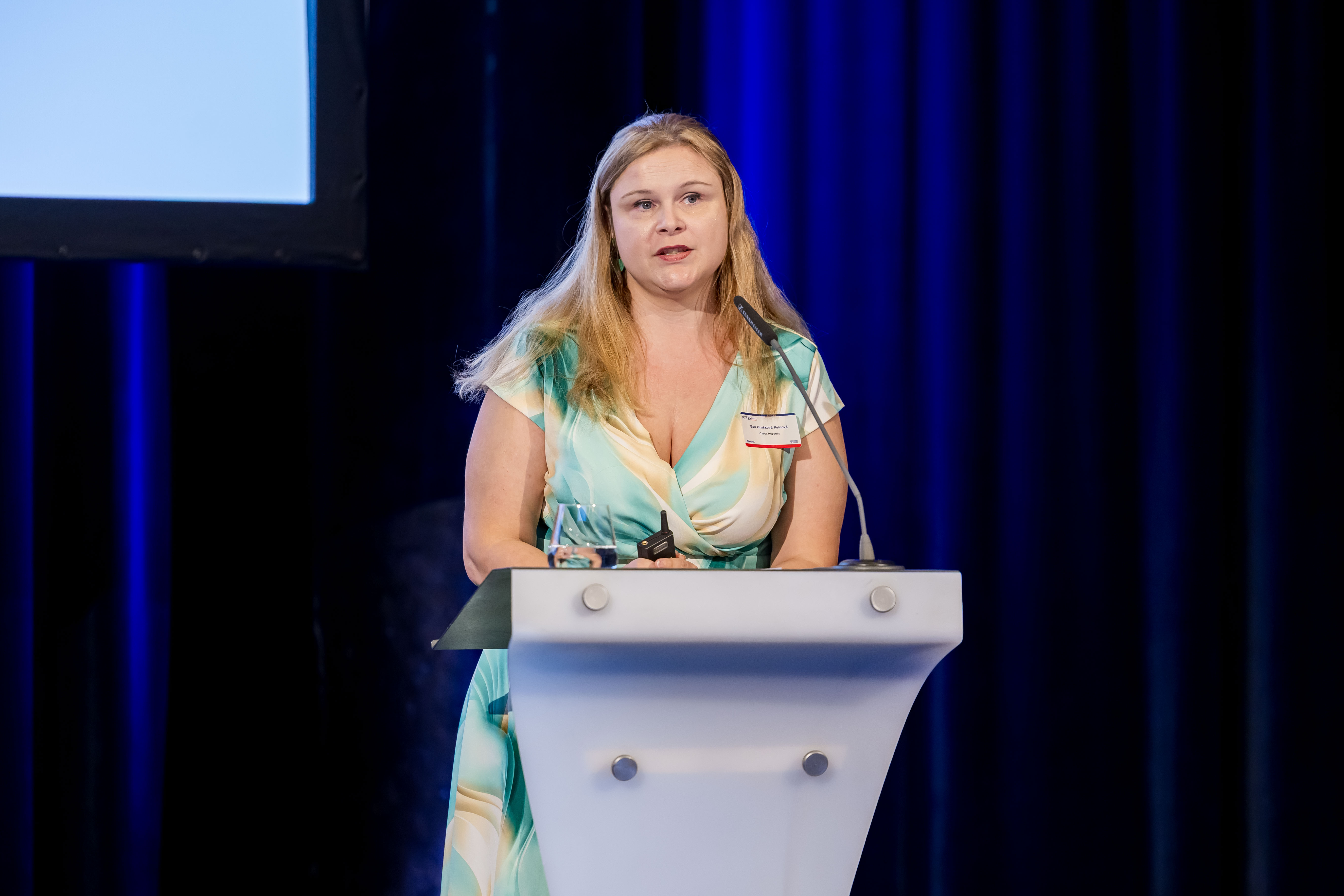
Eva explored the evolving regulatory landscape for ATMPs. Her presentation examined how regulatory frameworks have adapted to support increasingly personalised therapies, while maintaining patient safety and evidence standards. Eva's session emphasised the need for coordinated European approaches to support innovation, patient access, and sustainable ATMP development.
Patients are not only subjects of clinical trials, but they need to be partners because we are doing it for them.
Regulators and HTA Bodies as co‑designers of clinical trials: aligning evidence generation for meaningful patient access
Ana Hidalgo-Simon, Associate Professor Leiden University Medical Centre and reNew consortium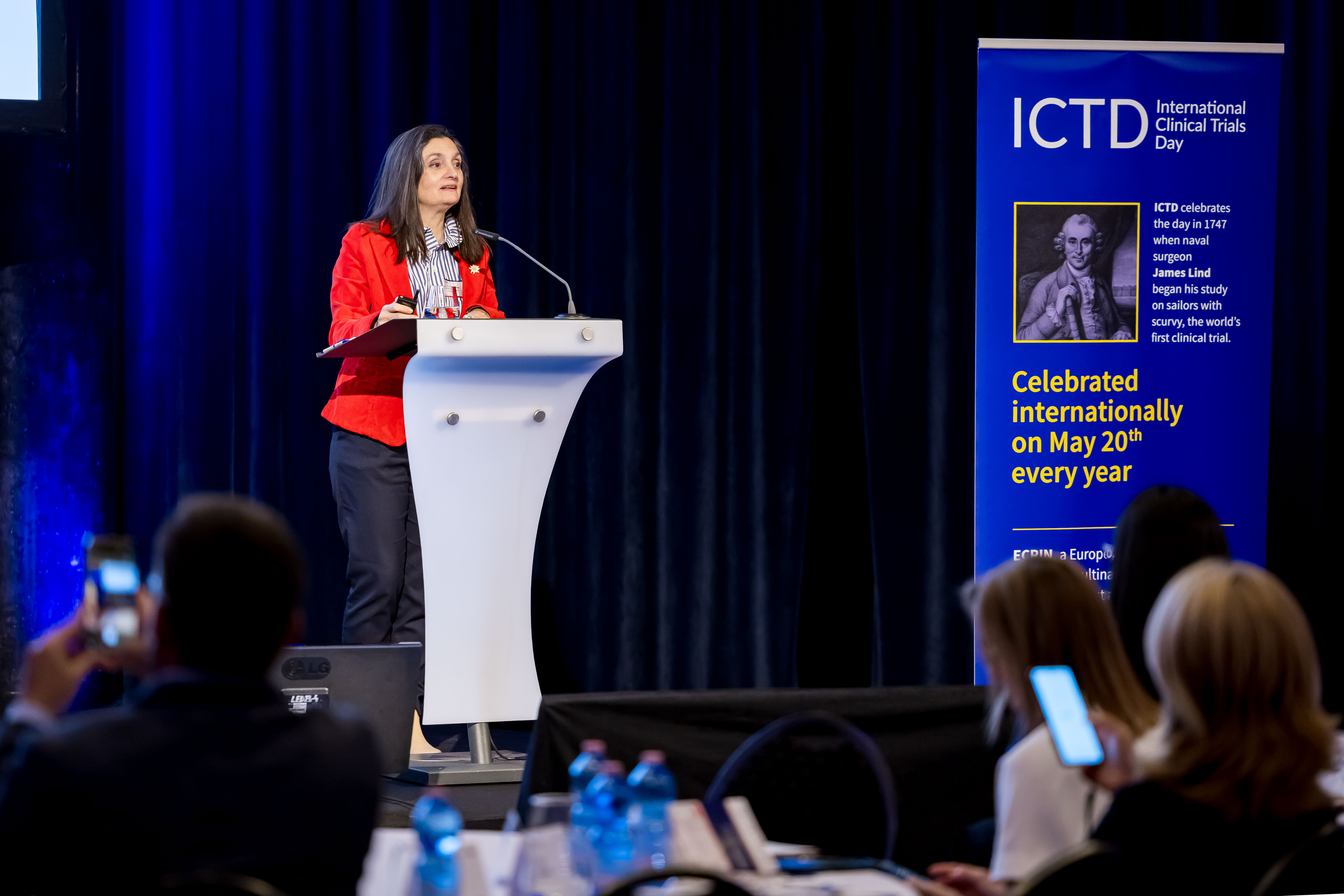
Ana explored how regulators and health technology assessment (HTA) bodies can work together as co-designers of clinical trials. Ana's talk focused on the importance of aligning evidence generation early in clinical development to support faster and more meaningful patient access to innovative therapies. She also highlighted the growing need to ensure that clinical trials generate evidence relevant to both approval and reimbursement decisions. Ana's session reinforced the value of coordinated approaches in improving efficiency, reducing delays, and supporting patient-centred innovation in Europe.
It’s not just a number, it’s a disaster. There are therapies that work, have good efficacy, are safe, and have patients who need them; but they are just not available.
Watch Regulatory & HTA Q&A on replay
Stakeholder Perspective: Sponsors & Funders
Waskyra for Wiskott Aldrich Syndrome - from initial clinical studies to the historic dual US/EU approval
Stefano Zancan, Fondazione Telethon, Italy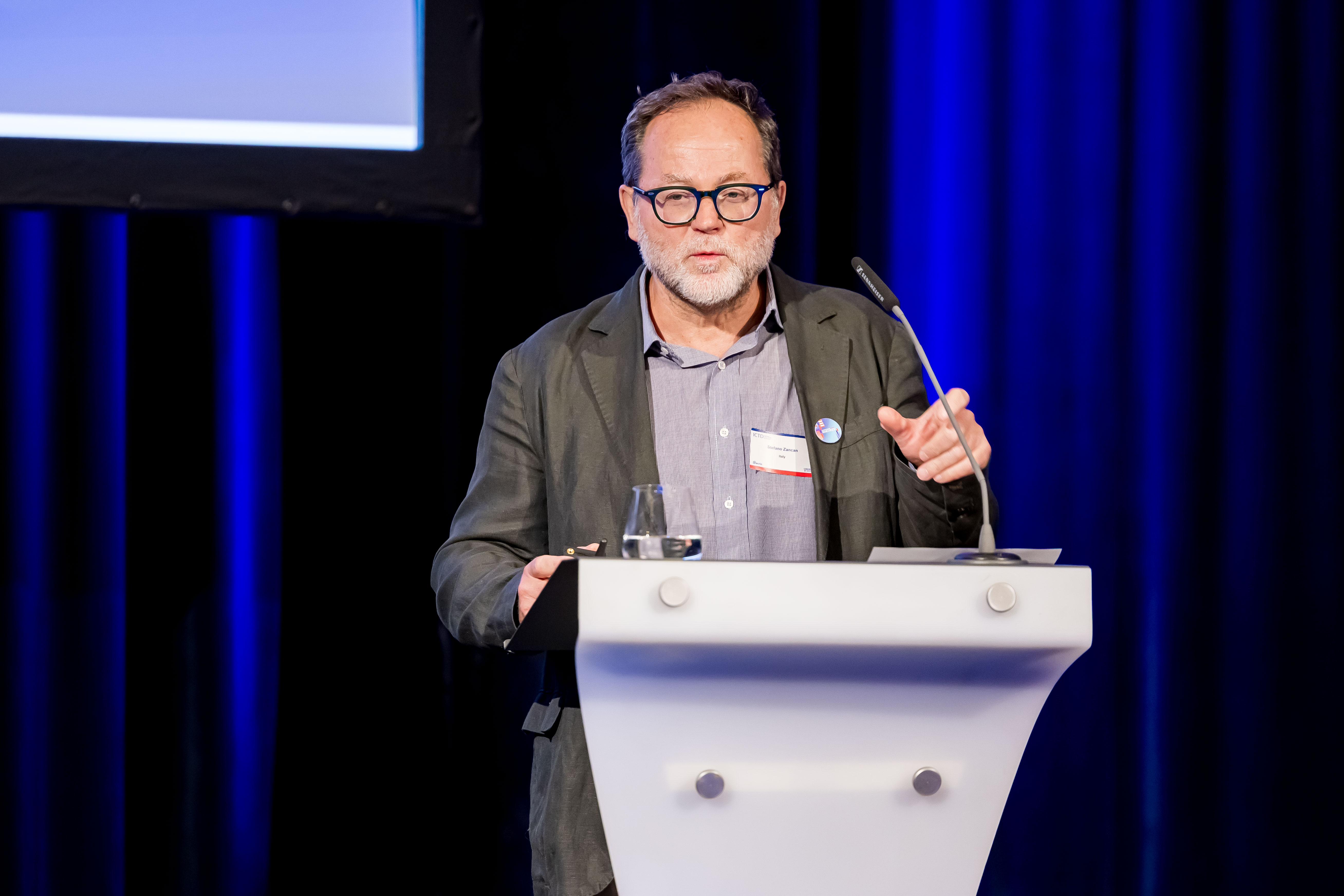
Stefano's presentation outlined the clinical development journey of Waskyra for Wiskott Aldrich Syndrome, from its earliest academic studies to its approval in both the United States and Europe. His presentation illustrated the scientific, regulatory, and operational complexity involved in translating advanced therapies from experimental research into authorised treatments for rare diseases.
Stefano highlighted the pivotal role of international, industry and non-profit collaboration as well as long-term clinical evidence generation. His presentation shared the essential role of the independent sponsor and how that financing made this work possible. He showcased how coordinated multinational efforts can accelerate innovation while expanding access to transformative therapies for patients with severe unmet medical needs.
How AIFP works to deliver safer, more effective treatments for patients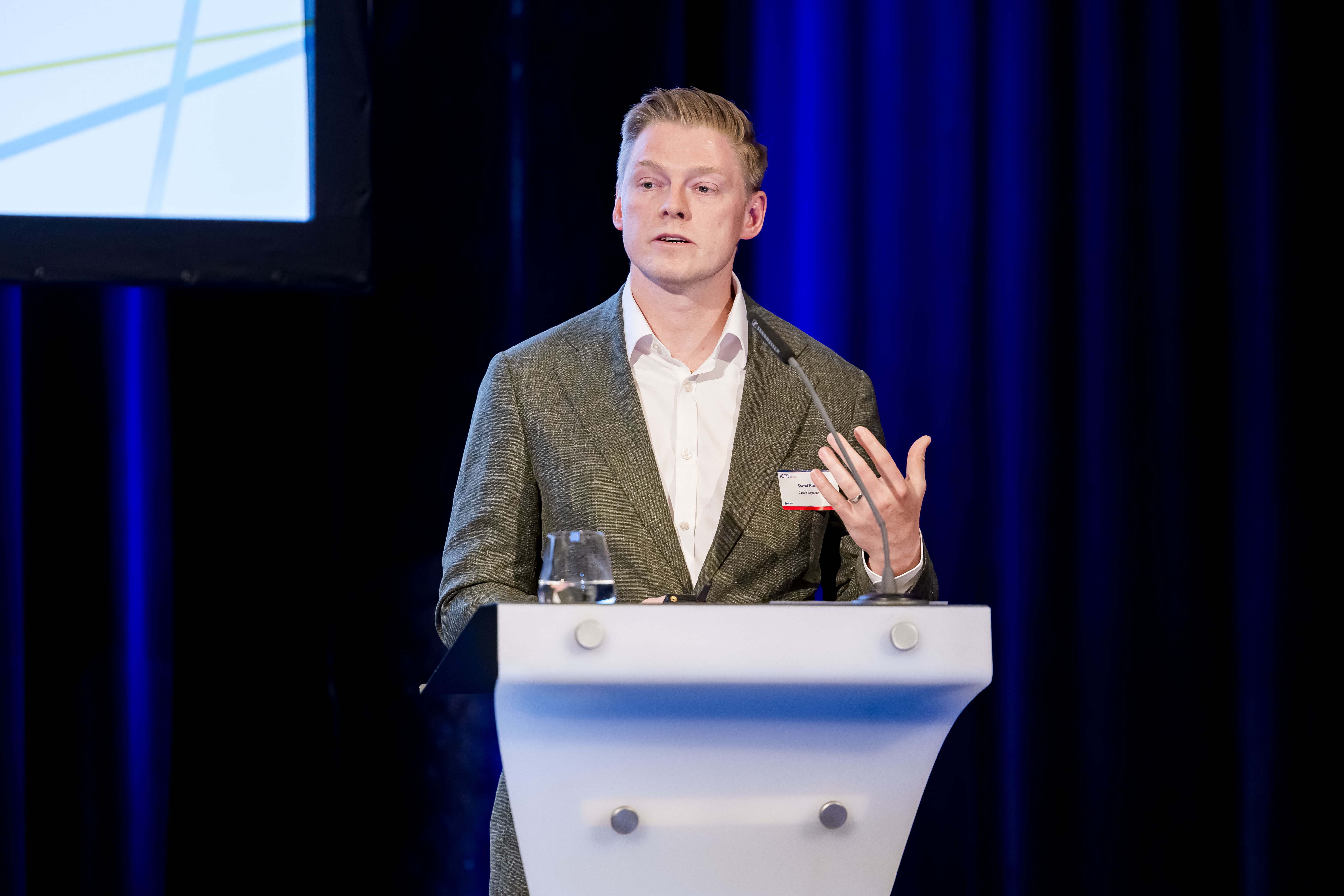
David Kolář, Executive Director, Association of Innovative Pharmaceutical Industry (AIFP)
David explored how the AIFP support the development of safer and more effective treatments through collaboration across the clinical research ecosystem. His presentation focused on the importance of stakeholder alignment to strengthen clinical development pathways and improve patient outcomes. David highlighted the role of innovation, evidence generation, and regulatory cooperation in accelerating access to high-quality therapies while maintaining robust safety standards. His session reinforced the value of coordinated, patient-focused approaches in advancing sustainable and effective clinical research across Europe.
Watch Sponsors & Funders Q&A on replay
Stakeholder Perspective: Investigators
Challenges and hurdles of academic ATMP development from lead to the market
Jürgen Kuball, Department of Hematology, University Medical Centre Utrecht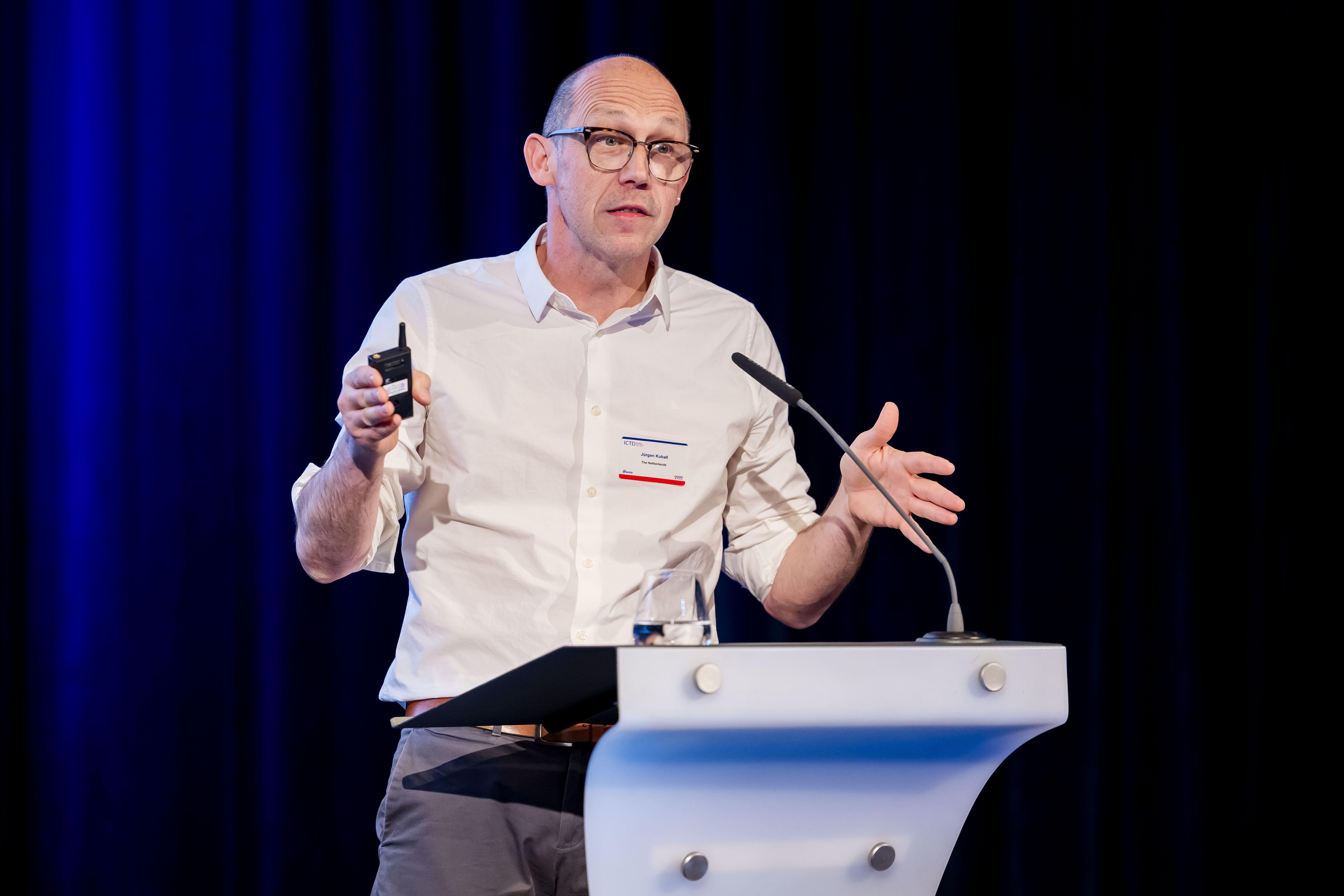
Jürgen explored the scientific, regulatory, and financial hurdles facing academic ATMP development. His presentation examined the challenges of translating promising therapies from early research into authorised treatments, particularly within academic settings with limited resources and complex regulatory requirements. Jürgen honed in on the importance of sustainable funding, specialised infrastructure, and stronger collaboration. His session reinforced the need for coordinated European support systems to help academic innovation progress from the lab to bedside.
Academic development cannot compete with industry if everyone works alone.
CARTALLEU (CART19-EU-04) - Characteristics of a European academic manufacturing model (Proof of Concept)
Laura Palau López, Project Manager in Pharmacology Department, Hospital Clinic of Barcelona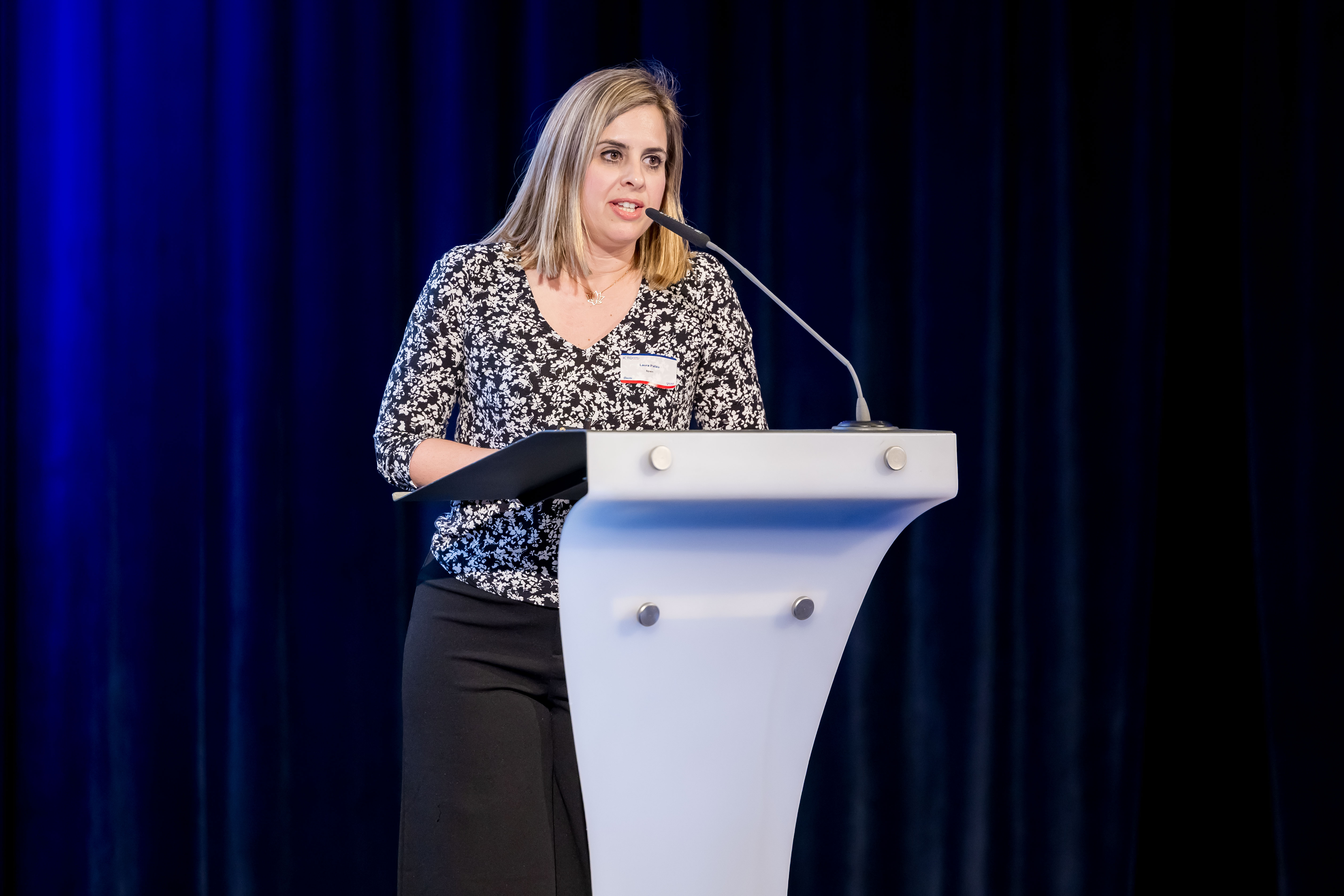
Laura presented the CARTALLEU Partnership and its proof-of-concept European academic manufacturing model for CAR-T cell therapies. Her presentation explored how academic production networks can support the development and delivery of advanced therapies while improving accessibility and reducing dependency on commercial manufacturing pathways. Laura highlighted the operational, regulatory, and logistical complexities involved in coordinating decentralised manufacturing across multiple centres and countries. Her session demonstrated the importance of collaborative European infrastructures in supporting scalable, sustainable, and patient-focused ATMP development.
Framework to Prioritise Rare Diseases for ATMP Development
Carol Barahona Ponce, Project Manager, Division of Paediatric Nephrology, Center for Paediatrics and Adolescent Medicine, University Hospital, Heidelberg, Germany
Carol presented a framework designed to help prioritise rare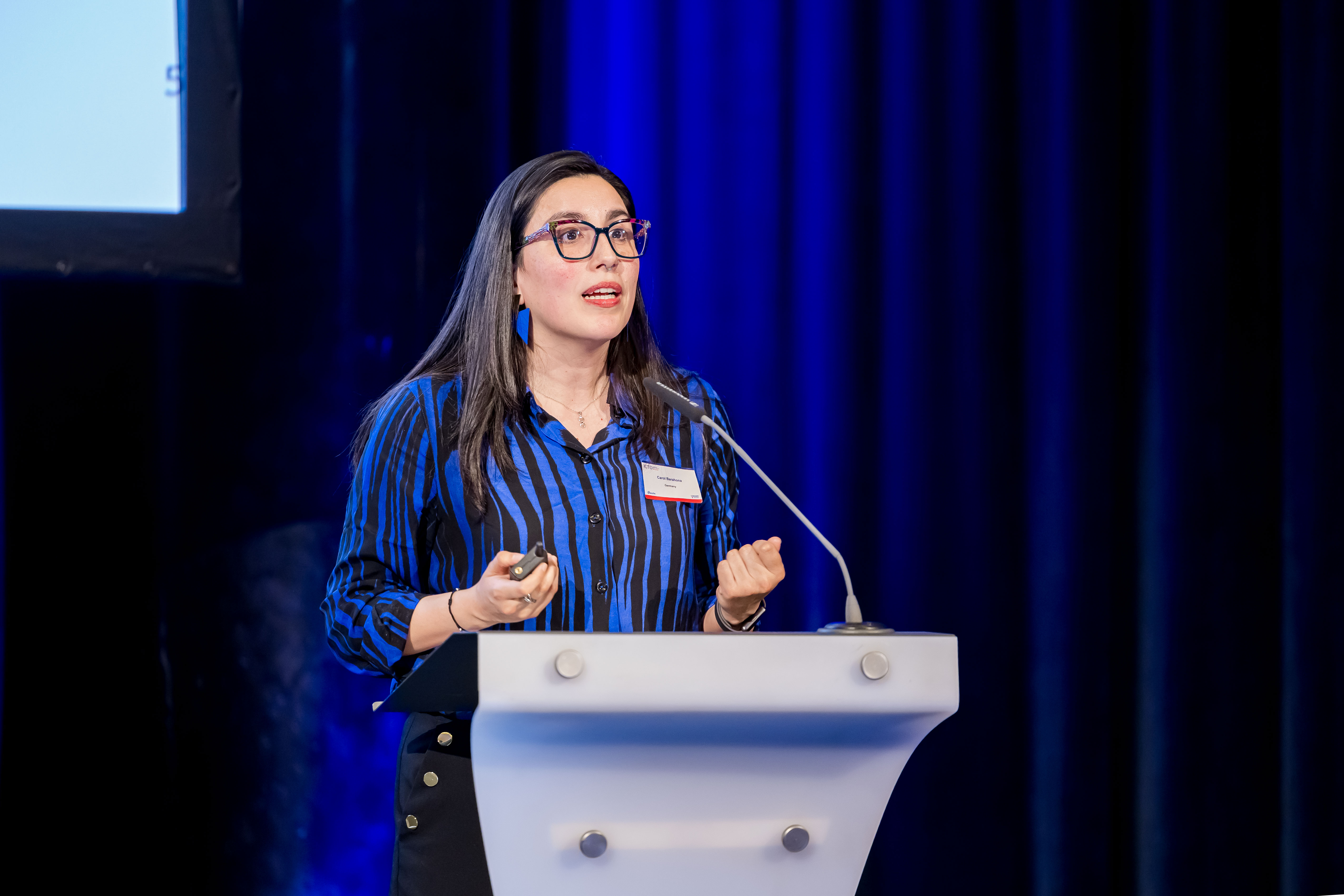 diseases for ATMP development. Her session examined how structured prioritisation models, such as the one developed in the ERDERA project, can support more strategic decision-making when allocating resources for rare disease research and therapy development. Carol highlighted the importance of balancing scientific feasibility, unmet medical needs, patient impact, and long-term sustainability when identifying candidates for ATMP investment. Her presentation expressed the value of collaborative, evidence-based approaches in guiding innovation and strengthening equitable access to advanced therapies across Europe.
We have a lot of different diseases, but we have always a certain budget for ATMP development. You cannot afford everything at once.
Watch Investigator Q&A on replay
PART 3: From challenges to solutions, how do we improve?
European and Global Efforts
Public contributions to the research and development of ATMPs
Claudia Wild, Senior Expert, HTA Austria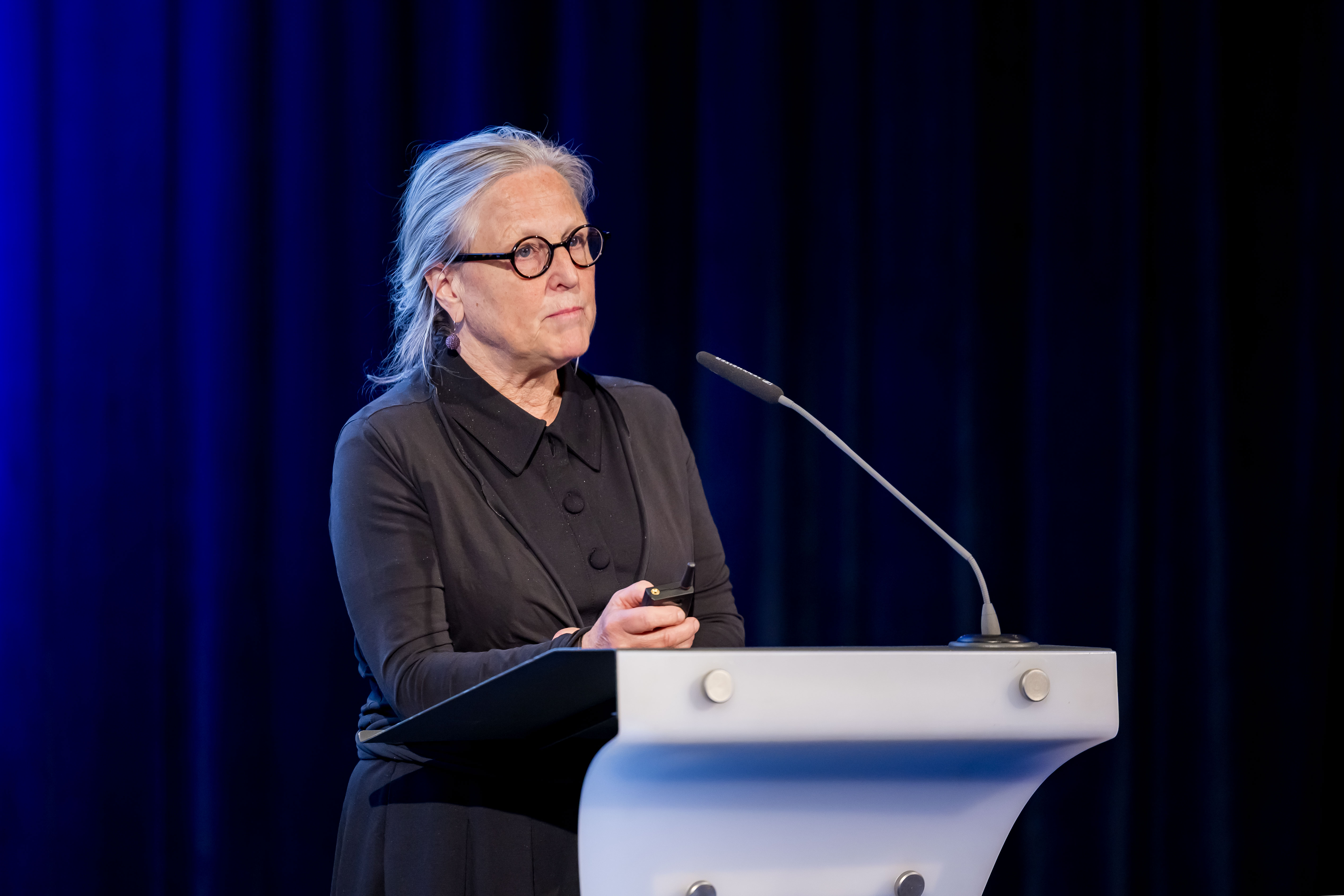
Claudia's presentation focused on the importance of greater transparency around how public resources contribute to pharmaceutical innovation and how this financing is reflected in pricing, access, and value assessments. She emphasised that clearer evidence on funding pathways and research investment can support more informed decision-making across healthcare systems. Her session underscored the need for transparency, accountability, and sustainable approaches to ensure that publicly supported innovation delivers meaningful benefits for patients.
We need to change our narratives because we still repeat and repeat and repeat the myth that only the private sector is the innovator.
Toward Equitable and Efficient Clinical Trials: WHO Perspectives on System-Level Solutions
Zsofia Pusztai, WHO Representative and Head of the WHO Country Office, Czech Republic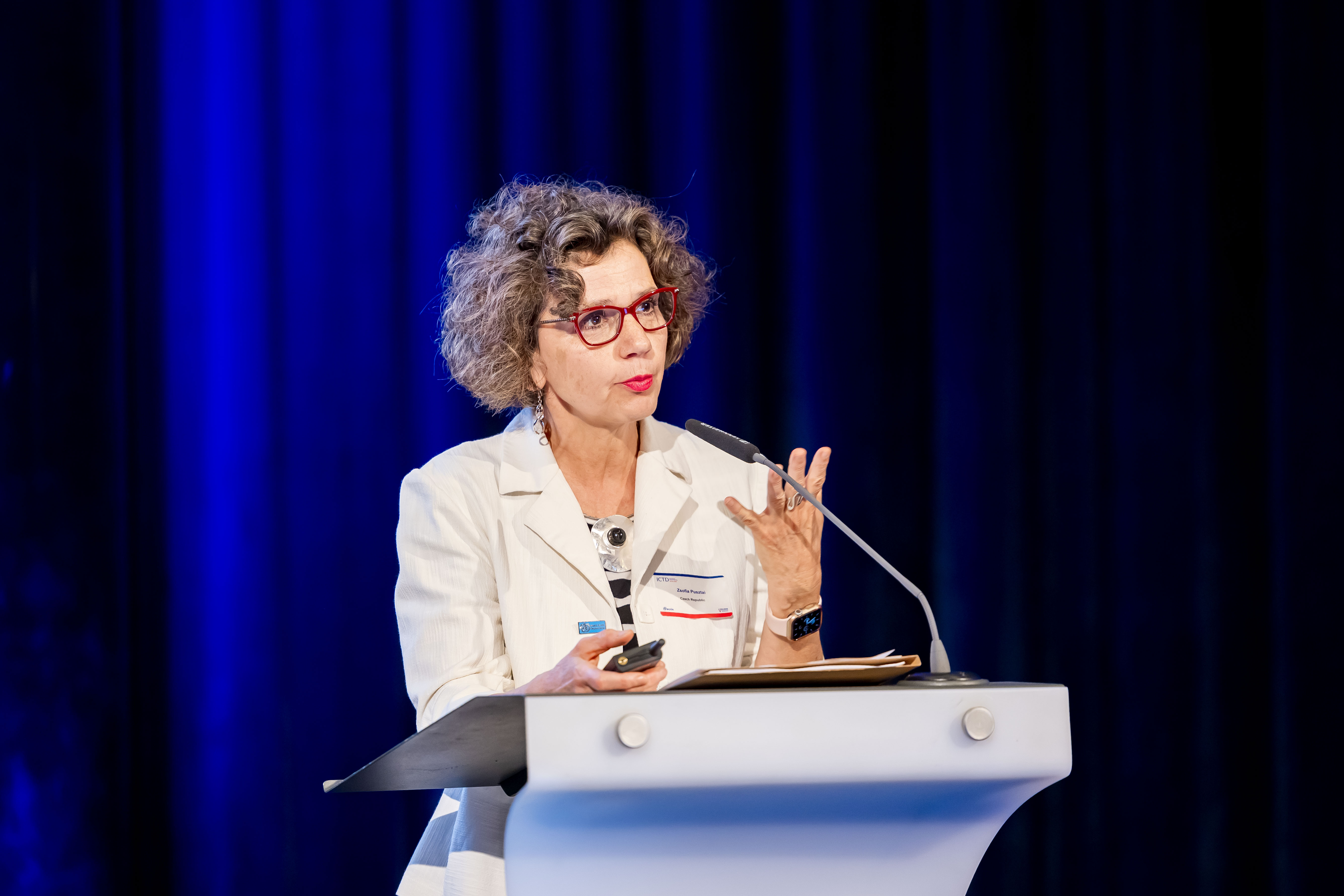
Zsofia presented the World Health Organisation’s perspective on improving equity and efficiency in clinical trials through system-level collaboration. Her session explored the need for stronger global coordination, more inclusive research frameworks, and sustainable clinical trial infrastructures capable of supporting broader patient access. Zsofia spoke of the importance of reducing disparities in participation and ensuring that innovation in clinical research delivers benefits across diverse populations and healthcare systems.
Translating the EU Life Sciences Strategy into patient reality
Carmen Laplaza-Santos, Head of Unit (Unit D2 'Health innovations & ecosystems'), DG Research & Innovation, European Commission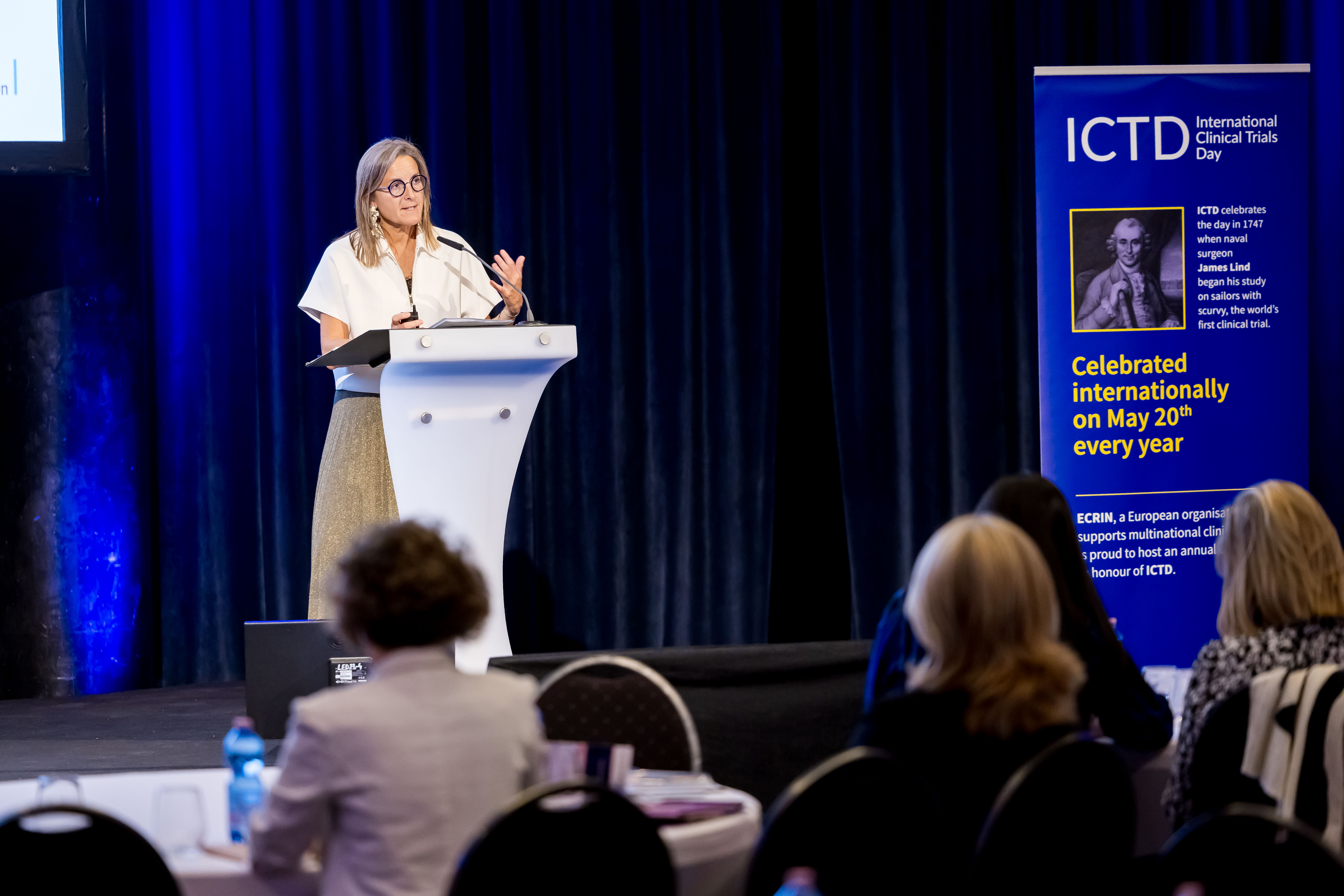
Carmen outlined how the European Union’s Life Sciences Strategy aims to strengthen Europe’s position as a global leader in health innovation while ensuring that scientific advances translate into tangible benefits for patients, with the overall objective of making the EU a more attractive place for research.
We all recognise today that innovation needs to reach patients.
Her presentation called for a more connected research and innovation ecosystem, enabling collaboration across disciplines, sectors, and borders to accelerate the journey from discovery to clinical application. Carmen went into detail to explain the main points involved in the roll out of the Clinical Research Investment plan. She mentioned the BioTech Act as well as the Draghi report, which advocated for Europe investing more in ATMPs and considered them as a high value technological area.
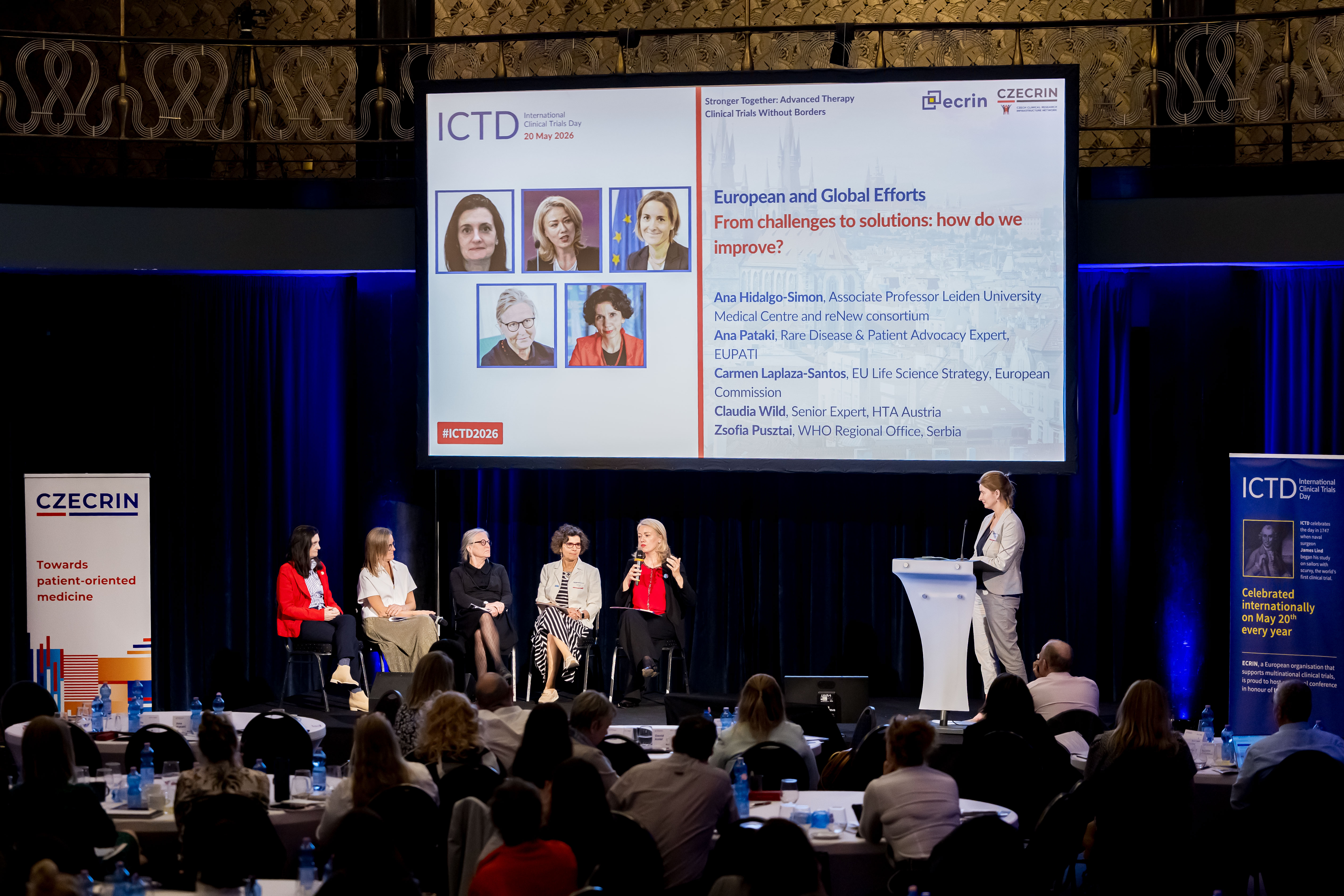
Panel Discussion
Ana Hildago-Simon, Ana Pataki, Carmen Laplaza-Santos, Claudia Wild, Zsofia Pusztai
Chaired by Lenka Součková, ECRIN European Correspondent, Czech Republic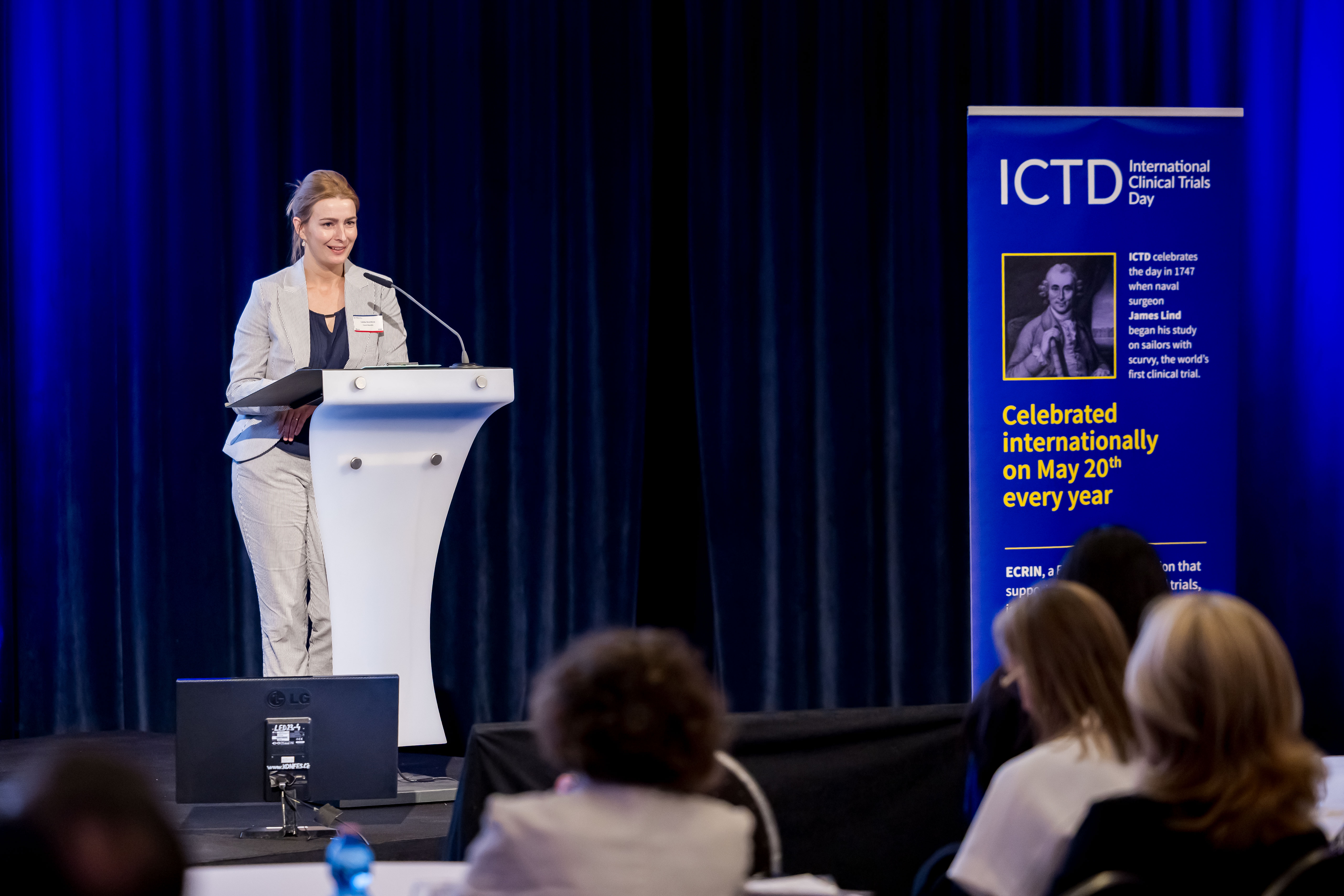
Lenka opened the panel discussion by introducing Ana Pataki, who's journey into rare disease advocacy was realised in 2017 after her young son was diagnosed with a rare disease and received ATMP treatment. This experience has been the driving force of her work.
Ana Pataki highlighted the importance of empowering patients as active partners in research and decision-making, drawing on her experience as a rare disease advocate. Ana Pataki stressed that there are still parents and patients who are struggling to find the answers where there isn't even a therapy option. Zsofia emphasised the need for stronger international cooperation, patient literacy, and trusted platforms that bring stakeholders together to address regulatory and access challenges.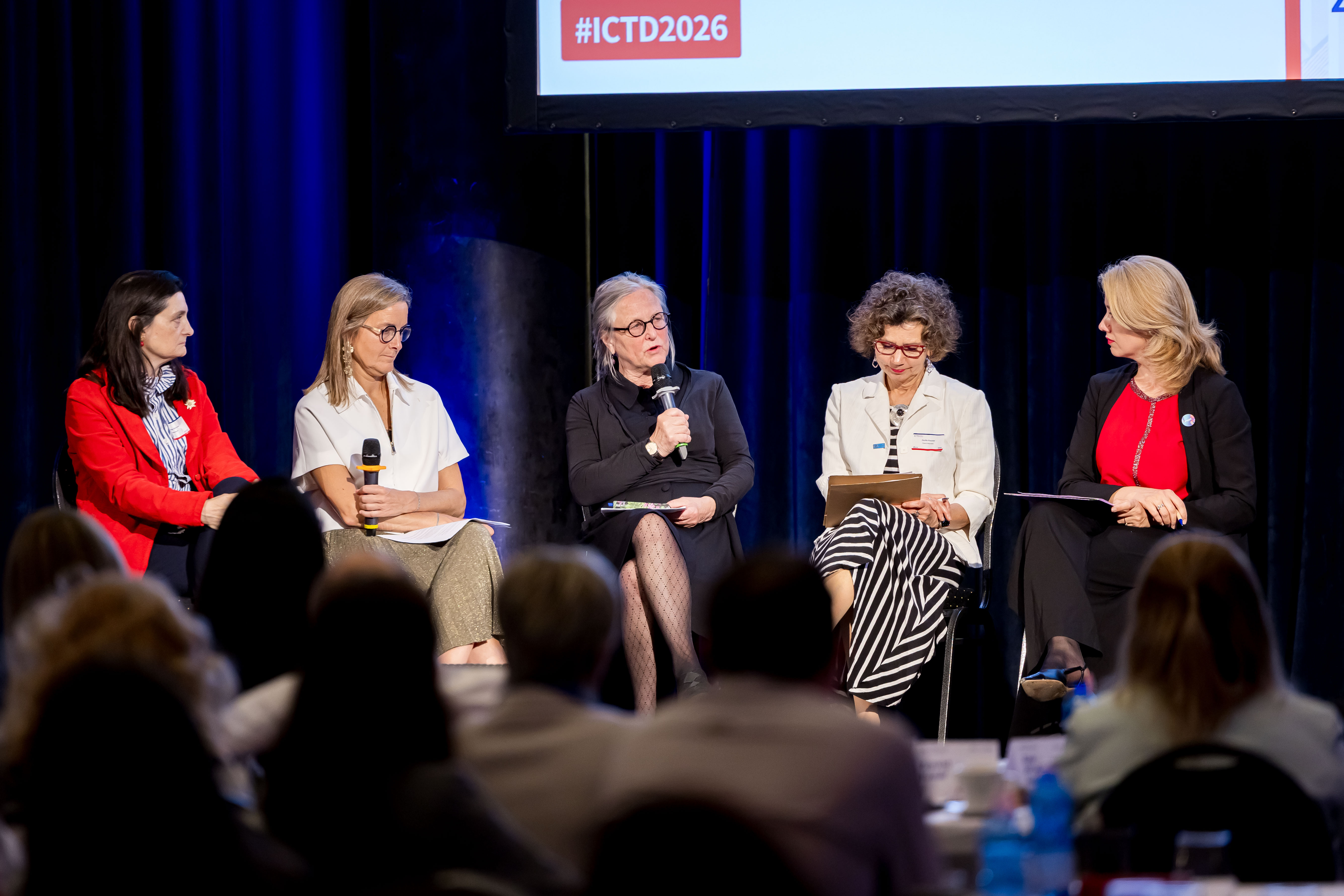
Europe wants to lead, but we have one of the strictest regulatory frameworks. We need to keep the trust of the people. [Zsofia Pusztai]
Carmen called for greater cross-border collaboration and funding mechanisms to support multinational clinical research, while also stressing the need to improve the efficiency of healthcare systems. Ana Hidalgo-Simon advocated for patient-centred, continent-wide approaches to ATMP development, encouraging greater sharing of expertise, infrastructure, and resources across Europe.
 From a health technology assessment perspective, Claudia Wild highlighted the importance of robust evidence generation, pricing transparency, and fair reimbursement models to ensure equitable access while maintaining the sustainability of healthcare systems.
Through their answers, the panelists explored the need for sustainable funding models, stronger international partnerships, and greater patient involvement throughout the research and development process.
ATMP development is the most exciting, complex and fastest area of modern medicine. [Lenka Součková]
The session reinforced a central message of ICTD 2026: delivering the full potential of advanced therapies requires coordinated action across borders, sectors, and stakeholder communities, with patients at the centre of decisions made.
Closing remarks
Jacques Demotes - Director General, ECRIN
Regina Demlová, Director of CREATIC CoE, Head of Network Committee ECRIN-ERIC
ICTD 2026 was officially closed by Jacques and Regina. They wrapped up the meeting, covering some of the key information provided by the speakers and sharing key questions that remain to be answered. A special thank you goes out to our wonderful moderator Martin Tyburec, the speakers, the audience - onsite and online, this year’s host country the Czech Republic, ECRIN's national partners, and of course all involved in organising this wonderful event.
Jacques officially announced that next year ICTD will take place in the beautiful city of Porto, Portugal. We look forward to seeing you there!