

Celebrating International Day of Women and Girls in Science
Today, women continue to represent less than one third of the world's researchers. Closing the gender gap matters not only for fairness, but also for the quality, relevance and impact of science, technology and innovation.
Women belong in science - but equality in scientific careers is still not guaranteed. Significant gaps still remain.
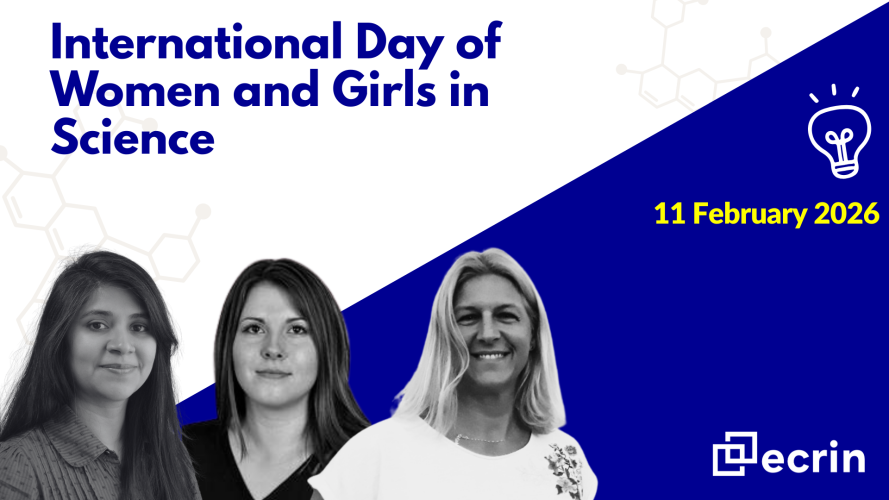
We spoke to Sigrun Margrethe Hjelle, Sareema Javaid and Alicja Szofer-Araya to hear their efforts advance gender equality in science through their roles at ECRIN.
Sigrun Margrethe Hjelle, European Correspondent
Sigrun is the ECRIN European Correspondent for Norway. She has a background in cancer research with an MSc in Cell Biology and a PhD in Cancer Biology, both from the University of Bergen.
What initially drew you into a career in science?
I have always been drawn to the natural sciences, which were my strongest subjects in school. This interest led me to study biochemistry and cell biology at university. I was very fortunate to join a large and dynamic research group for my Master's thesis, and continuing on to do a PhD felt like a seamless next step. I don’t recall spending much time considering the career path I was taking; instead I was motivated by how much I enjoyed working on the methodology we were developing and contributing to the scientific discoveries we were making.
How does your role now contribute to the scientific community?
After more than 14 years of working in cancer research, through my studies and as a researcher, I chose to transition into clinical trials. I worked both in international research networks and as a clinical trial coordinator. This led to my appointment as European Correspondent for Norway at ECRIN, as well as paediatric national coordinator for NorTrials and NorPedMed. In these roles, I facilitate the participation in multinational academic trials as well as promote collaboration within the pharmaceutical industry, and support feasibility processes in paediatric trials across Norway. I am particularly eager to promote international collaboration, which is especially important for smaller countries such as Norway.
We must invest in initiatives that spark curiosity and engagement at an early age, and create inclusive environments where girls feel encouraged.
How can we ensure more girls and women remain interested in science?
Ensuring that girls and women contribute to science and technology is crucial, as it will strongly influence the scientific and technological achievements of the future. To motivate and inspire girls to choose science, it is important to highlight strong and visible role models who can demonstrate the wide range of careers made possible through a scientific education. In addition, we must invest in initiatives that spark curiosity and engagement at an early age, and create inclusive environments where girls feel encouraged, supported and confident in pursuing and remaining in scientific fields.
Sareema Javaid, Clinical Project Manager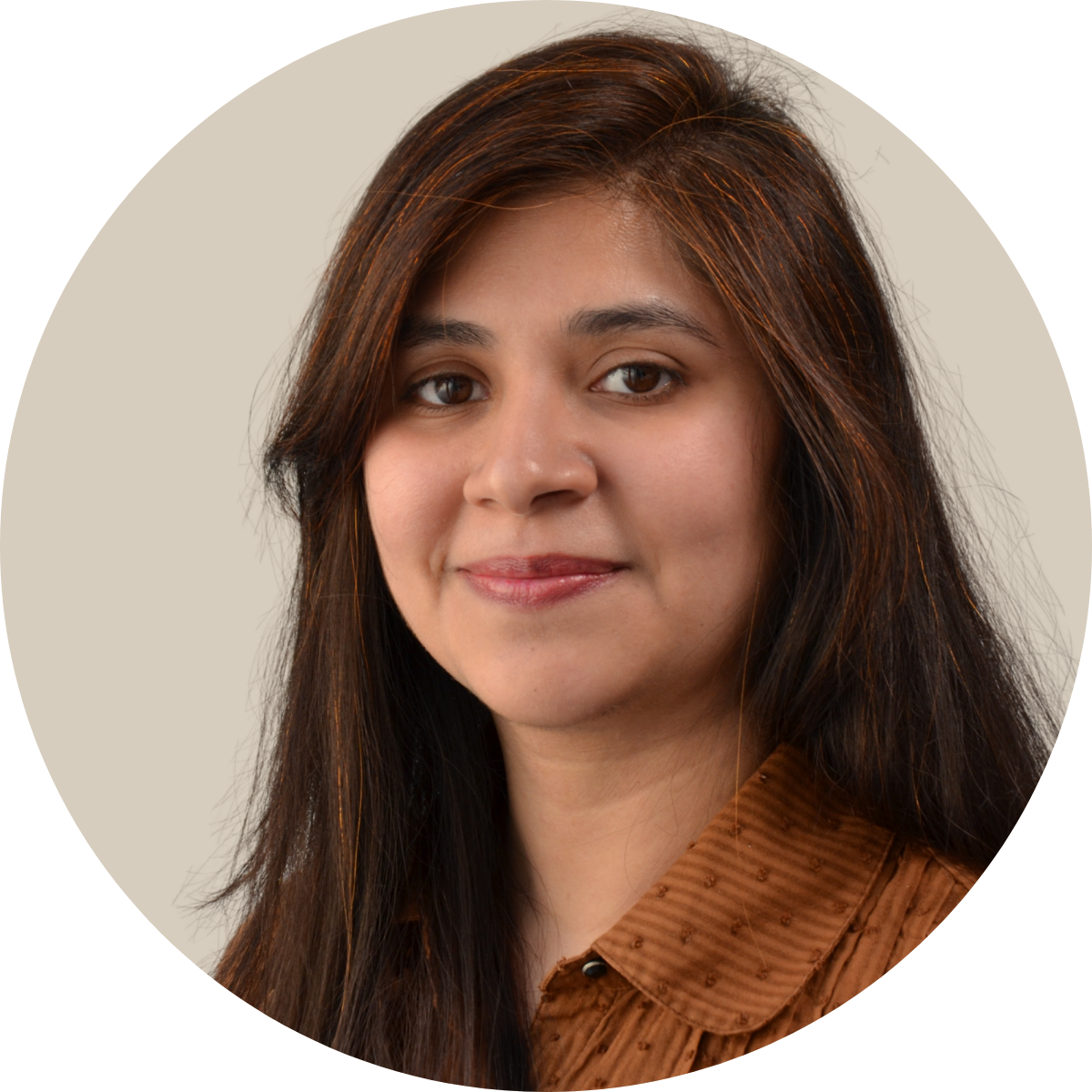
Sareema is a Clinical Project Manager at ECRIN managing projects both in clinical operations and infrastructure development projects. She is actively involved in pharmacovigilance and clinical safety activities at ECRIN.
What initially drew you into a career in science?
A career in science, more specifically in medicine, was a default choice for me ever since I stepped foot in school. I dreamt of becoming the first ever person in my family to study medicine and work in the healthcare industry. This kept me motivated throughout my educational years, and that dream became a reality when I completed my Doctor of Pharmacy degree with flying colours and started working as a Pharmacist in the biggest Cancer hospital in Pakistan. The urge to learn more brought me to France for a Masters in Nanomedicines and from there I started my career in Patient Safety and Clinical Trials. There is still a long way to go, I hope!
I dreamt of becoming the first ever person in my family to study medicine and work in the healthcare industry.
How does your role now contribute to the scientific community?
My responsibility is to ensure that all the clinical trials I work on are designed, managed and run with the core concept of patient safety at heart. It is crucial to keep the trust of patients and participants regarding the science and, more specifically, on clinical trials. When clinical trials are run in a well-regulated, well-designed, patient-centric way, high-quality meaningful data is obtained. This is useful for the specific disease communities and fosters impactful collaborations between academia, industry, regulatory bodies and other relevant stakeholders towards successful clinical programs. The goal is always to bring medicine for unmet medical needs from bench to bedside.
How can we ensure more girls and women remain interested in science?
Achievements, no matter big or small, achieved through honesty and resilience by women already working in science are like a sky to look up on for the girls and women aspiring to have a career in science. As women, it is our duty to keep this sky full of stars and keep moving towards bigger goals and working on the difficulties we have faced to pave paths for other girls and women who will start from where we once started ourselves. It is important to create and advocate for an inclusive environment, encourage collaboration over competition, and hold the hands of other women coming to science by keeping alive a mentoring attitude.
Alicja Szofer-Araya, Head of Administration and Finance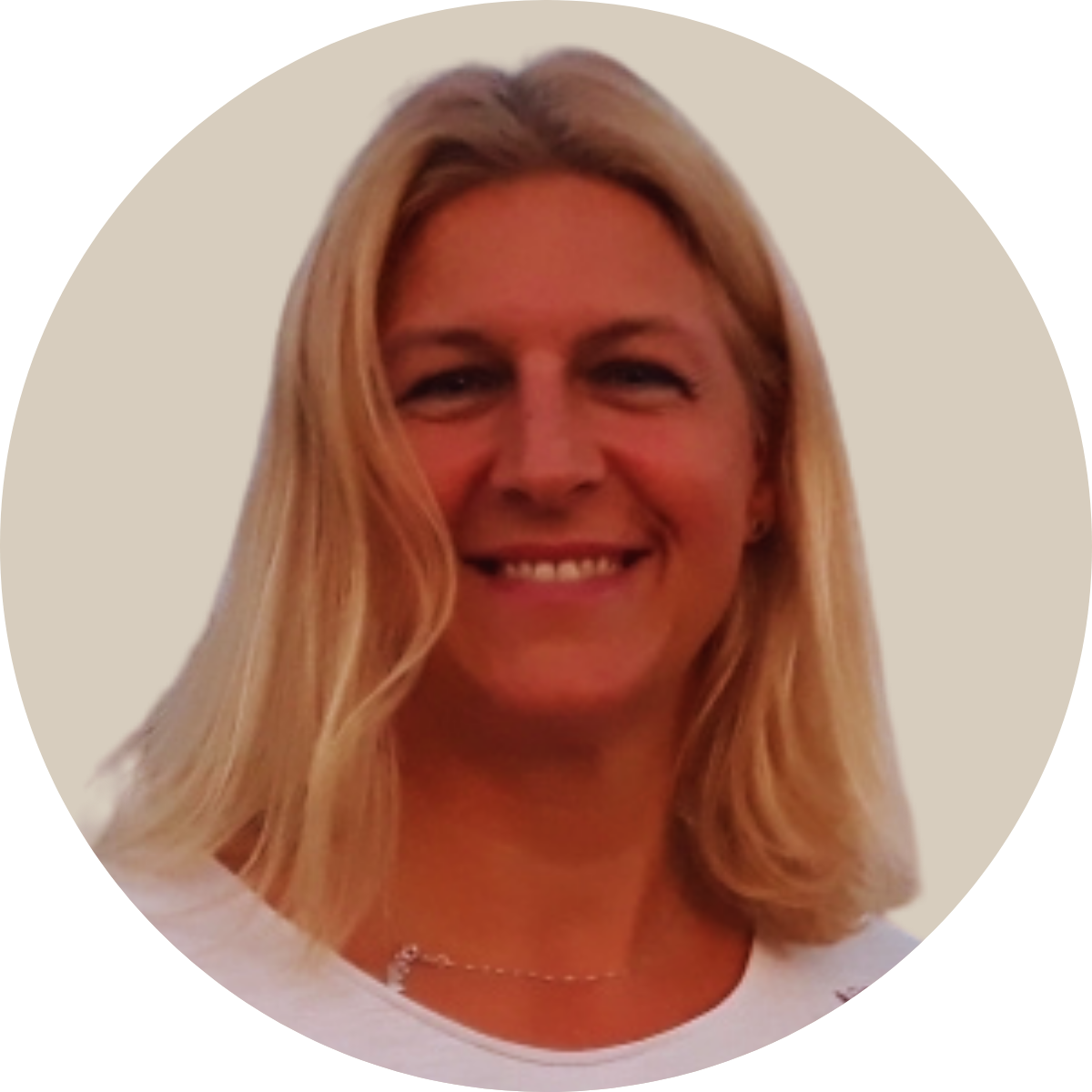
Alicja is the Head of Administration and Finance at ECRIN. In this role she is responsible for general administration, finance and human resources management, as well as administrative and financial management of EU-funded grants.
What initially drew you into a career in science?
I wouldn’t say anything really drew me in this direction, it was a natural path rather than a deliberate choice. I believe we are born with predispositions towards science or humanities depending on the way our brain is set to work. I was always curious, eager to learn about the world and understand its mechanisms. Knowing a simple response to a question was never enough and I always needed to understand where all this come from and how. I’ve always had a big passion for mathematics and life sciences, especially biology.
When I was young, I wanted to become a cardiologist but had an idea that being a doctor is not only a profession but a lifestyle which requires full dedication and exclusive attention. Interested in multiple fields, I took a different path. I studied physical education, combining life science with a piece of medicine. After my Master of Science and thesis in anthropology, I continued my studies in business administration and ended up with an executive MBA in management of research infrastructures. In my job, I can put all my passions and expertise together, contributing to fulfilling a meaningful mission.
How does your role now contribute to the scientific community?
Conducting science is not only doing proper research but also managing administrative tasks. Administrative support allows scientists to focus on science. The scientists do the research, and the administrative staff make it possible! These two communities often speak different languages and misunderstand each other. Researchers are used to freedom, challenging authority while administrative bodies set frameworks, guidelines and rules. A lot of patience, flexibility and indulgence are needed to make these two mindsets work together. Administrative bodies are sometimes seen by the scientists as a burden, complicating their work and putting obstacles, rather than actual support while we are there to tackle challenges and solve problems: fulfilling grants requirements: keeping it organised, managing priorities, reminding timelines and deadlines, keeping budgets, writing reports, optimising processes.
My background in science helps me a lot in my role to better understand the scientific community and their needs, in order to provide the most efficient, effective and appropriate support.
What we need to do is to help girls build their self confidence, so they believe they do have their legitimate place in the world of science on an equal footing with men.
How can we ensure more girls and women remain interested in science?
I do not think we need to encourage girls and women to be interested in science. I’m pretty sure they already are! What we need to do is to help girls build their self confidence, so they believe they do have their legitimate place in the world of science on an equal footing with men. We need to let women believe that this career path is an option for them. But to make it happen, it’s not enough to speak about equal treatment and equal opportunities for men and women. We need society to actually be working woman friendly and the labour market attractive, especially to women with children, balancing their role in society and family. We cannot, and do not want to overpass, nature, but we need to enable women to reconcile these two roles. One way could be by implementing effective policies that allow women to effectively progress.
Thank you to our three inspiring women at ECRIN for sharing their experiences.
Closing the gender gap will mean more meaningful science for a larger portion of the population.